Quality
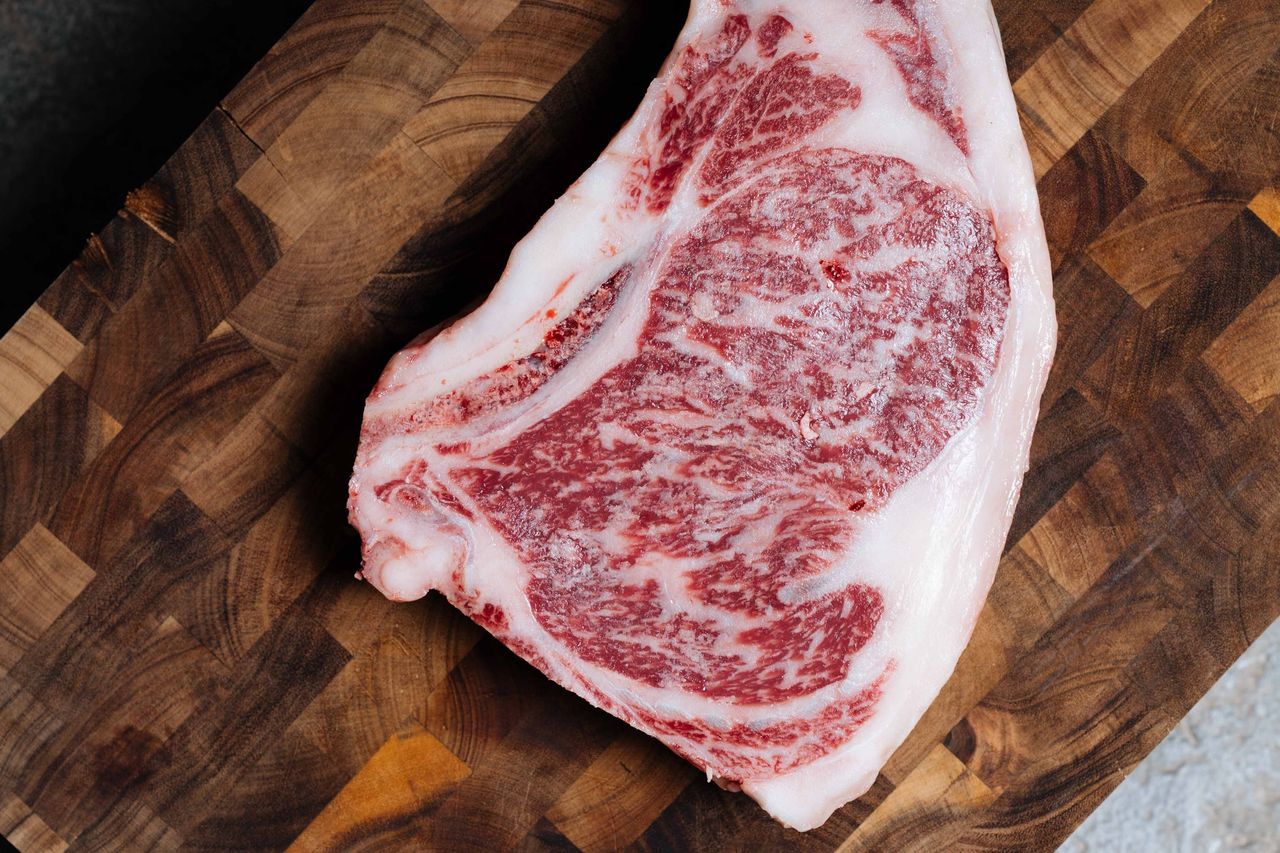
Marbling as the measure
How Wagyu is graded
In Japan, the Japan Meat Grading Association (JMGA) grades every carcass on two scales: the yield, from A to C, and the quality, from 1 to 5. The well-known A5 is therefore two scores together: yield A, the highest, and quality grade 5, the best marbling, colour, texture and fat quality.
For the marbling, the JMGA uses the Beef Marbling Standard, a scale from 1 to 12. That grading only happens in Japan, but it shows well what Wagyu is about: fine veins of fat that make the meat butter-soft and give it a deep umami taste.
1Quality grade · BMS 1 · Little marbling
Hardly any veins of fat: lean, firmer meat.
2Quality grade · BMS 2 · Below average
A first, loose marbling.
3Quality grade · BMS 3 to 4 · Average
Visible veins of fat, still unevenly spread.
4Quality grade · BMS 5 to 7 · Good
Fine veins of fat through the whole piece.
5Quality grade · BMS 8 to 12 · Excellent
Dense, fine and even marbling: the highest grade.
Source: Japan Meat Grading Association, via the Japan Meat Information Service Center.
A Belgian interpretation
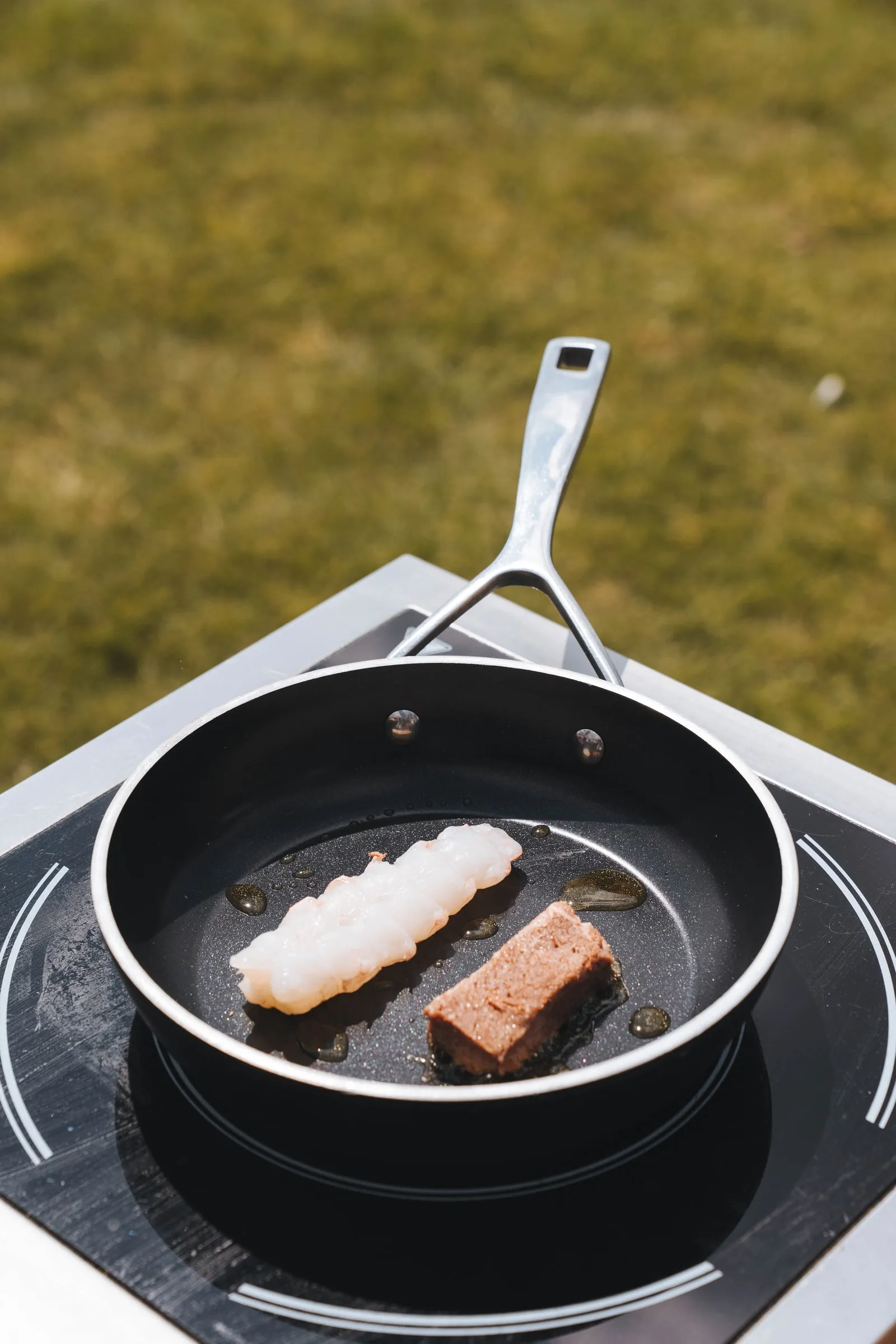
Olivier strives for a Belgian interpretation of Japanese Wagyu, all its own: firmer and with more character, with the same refined quality and marbling. The result is deeply rooted in Belgian tradition and terroir, with a full, powerful flavour that does justice to Japanese finesse.
Genetics and feed
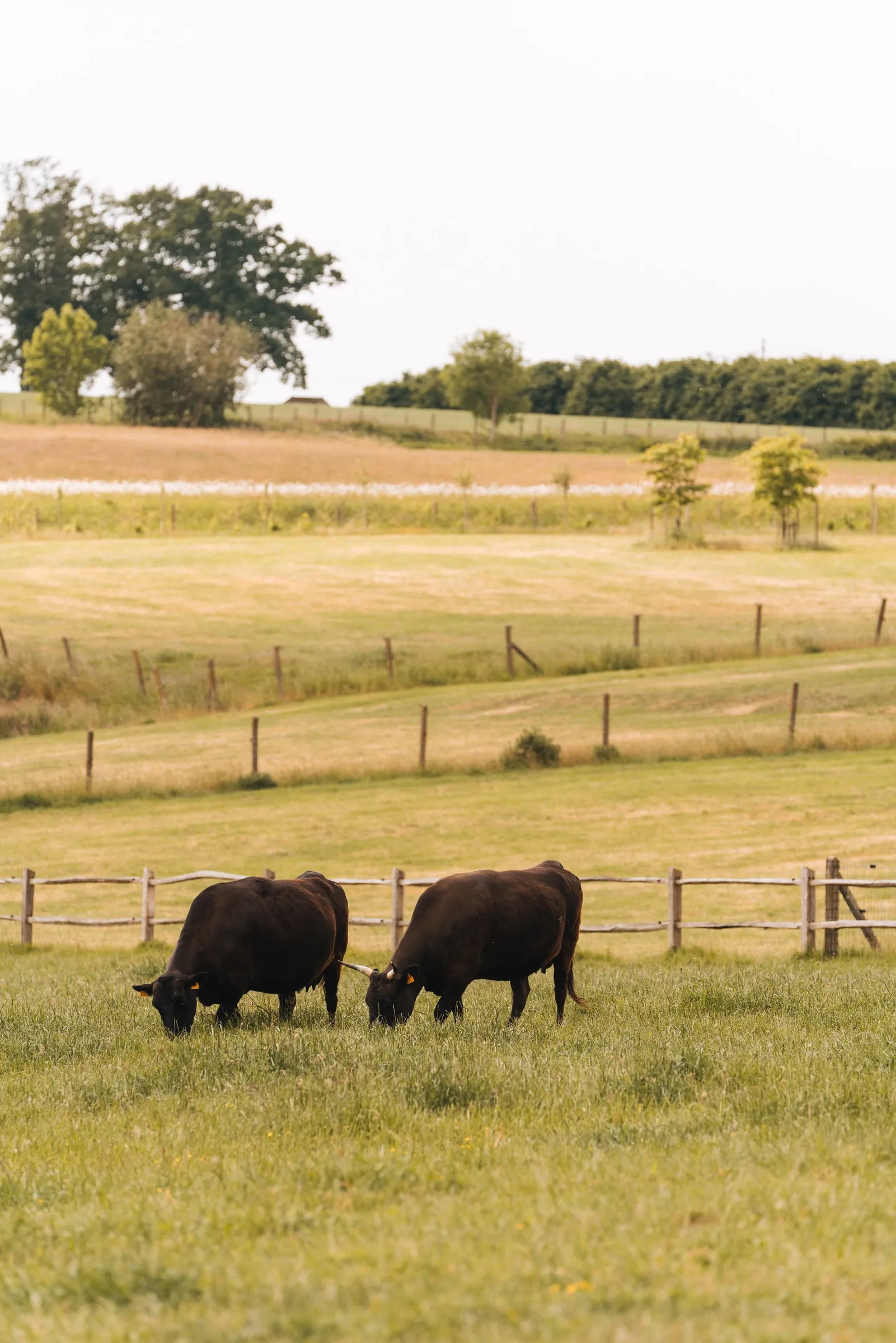
Tajiri is 100 per cent purebred, full-blood Wagyu. The genetics come from Germany, and every animal is registered in the Wagyu herdbook.
For their first two years the animals live purely on grass, in natural herds on the Flemish pasture. They are then finished for twelve months at a separate site, on a ration of their own: based on the Japanese method, with European ingredients. The difference lies in that combination of top genetics, time and ration.
- purebred Wagyu
- 100%
- months on grass
- 24
- months of finishing
- 12
Cuts for the kitchen
A case for less but better: we work with the whole animal, from the fillet to the forgotten cuts. Every cut is available on request.
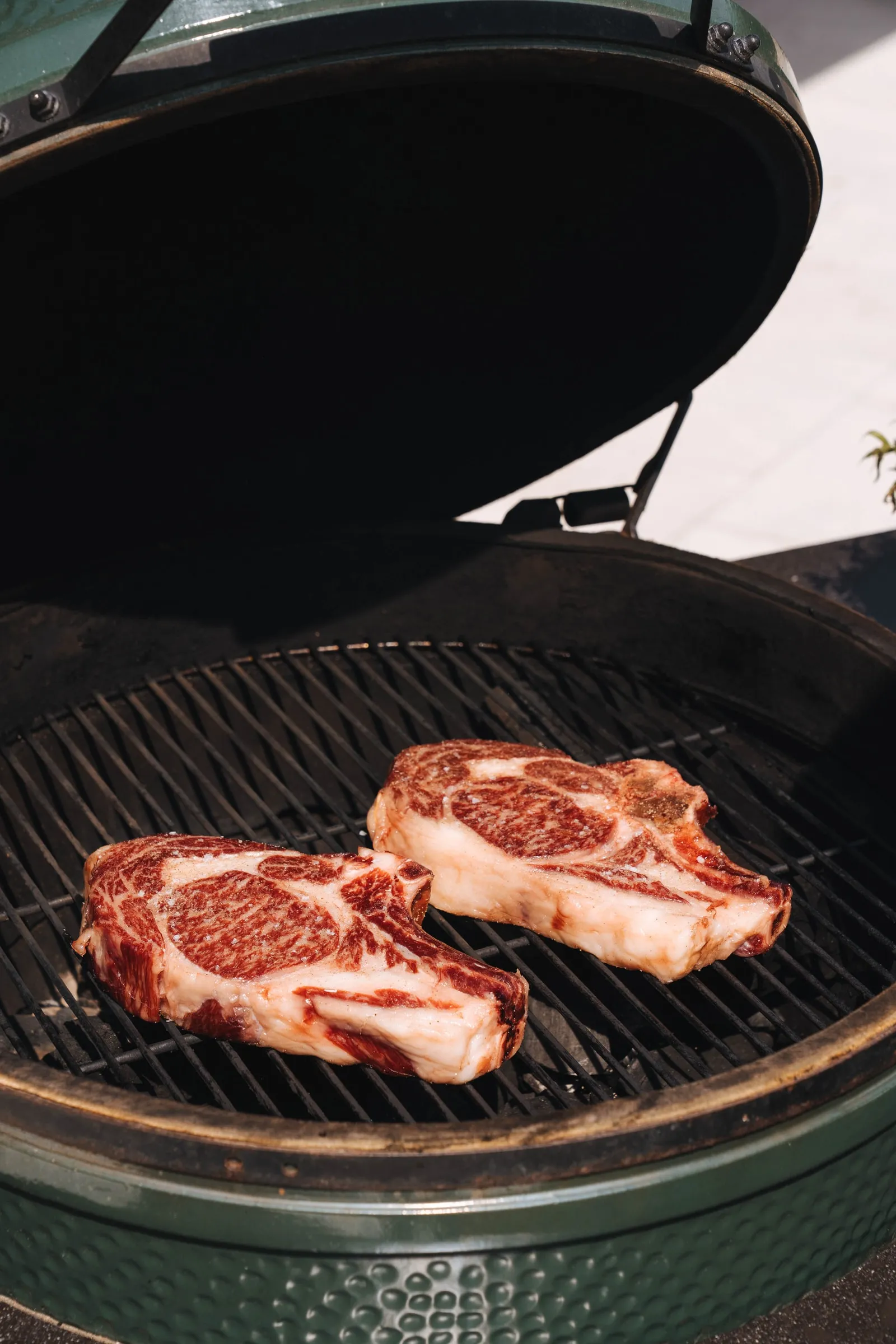
Côte à l’os
On the bone, for the grill
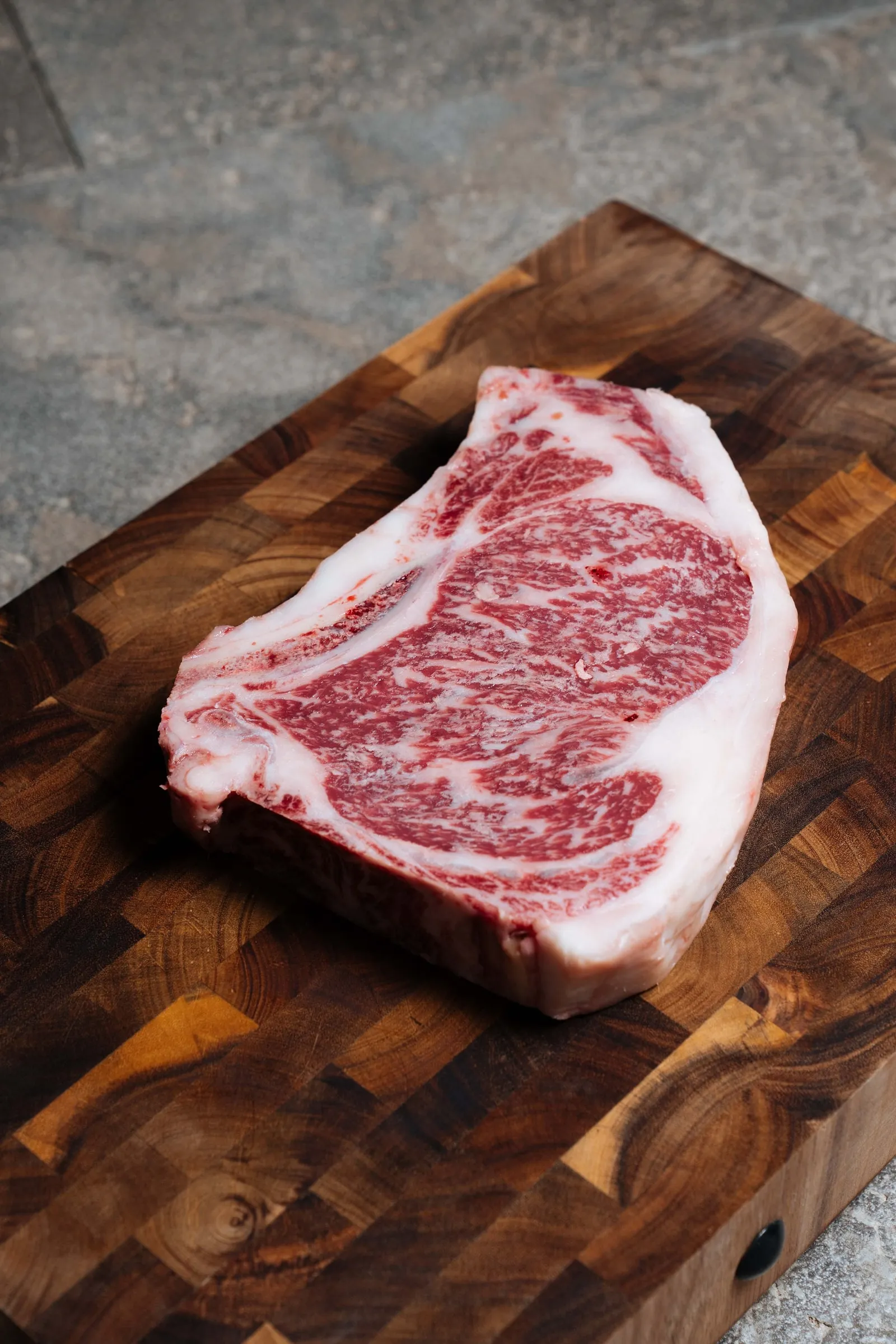
Entrecôte
Richly marbled, seared briefly
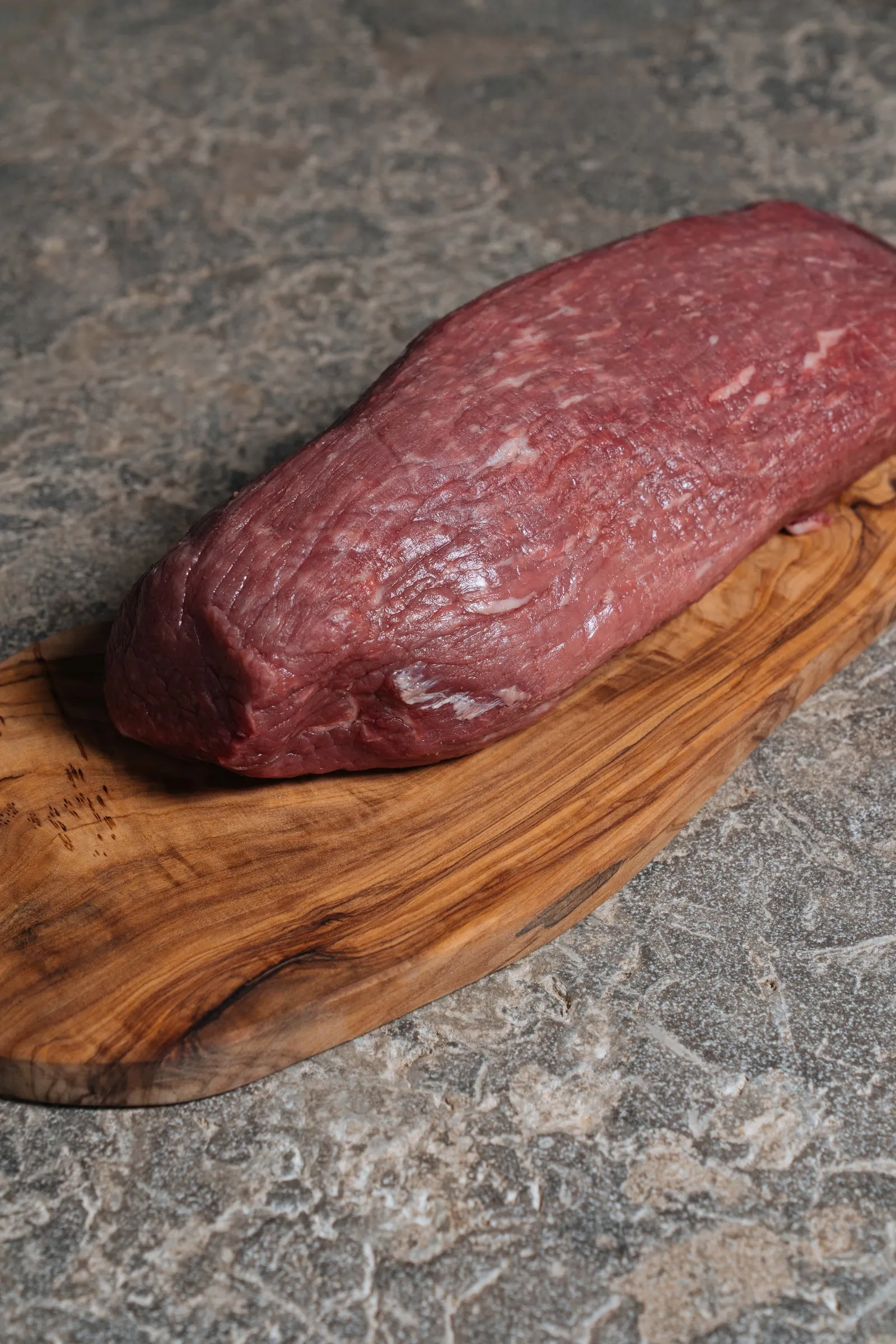
Filet d’Anvers
Sliced paper-thin, like carpaccio
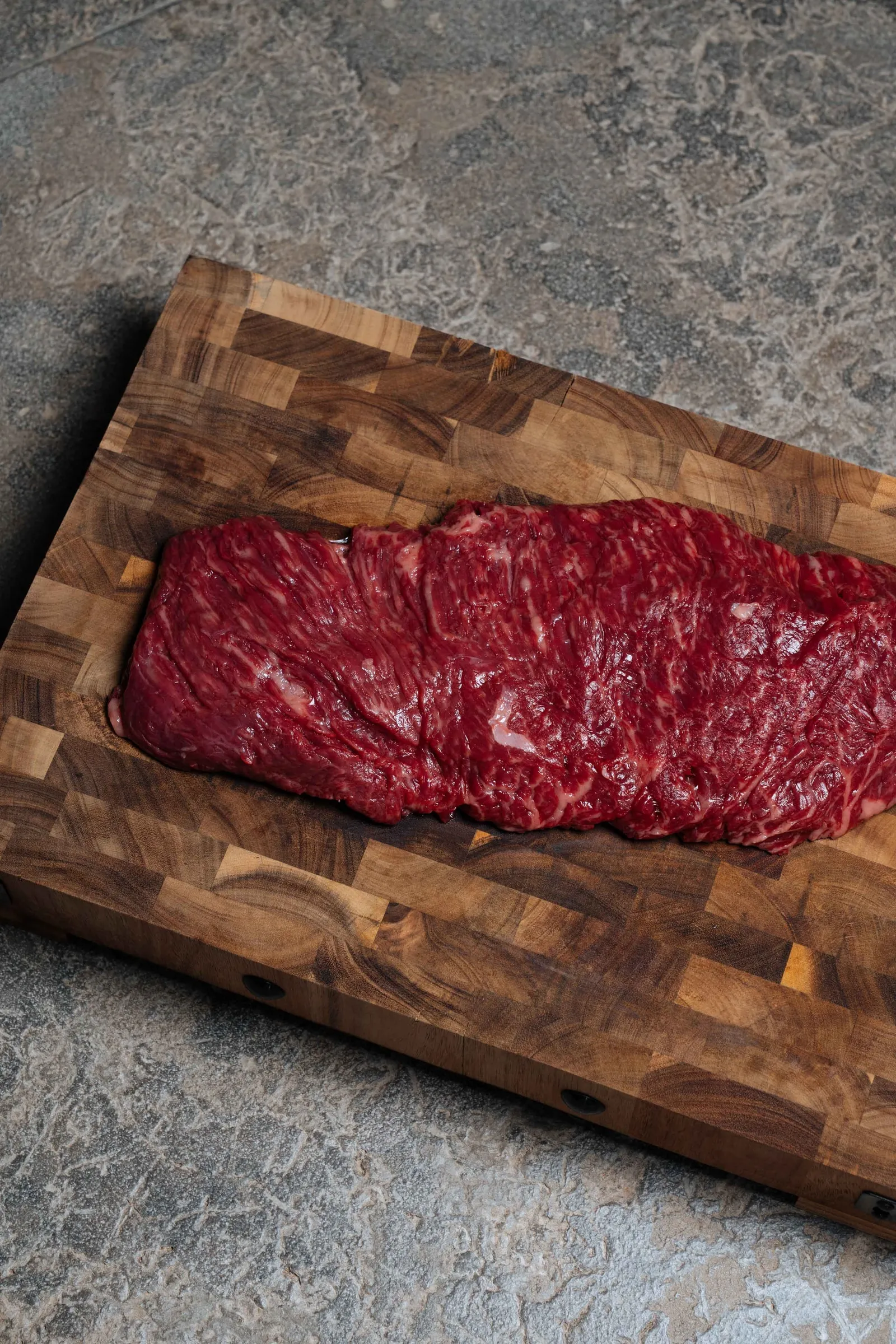
Bavette
Pronounced in character
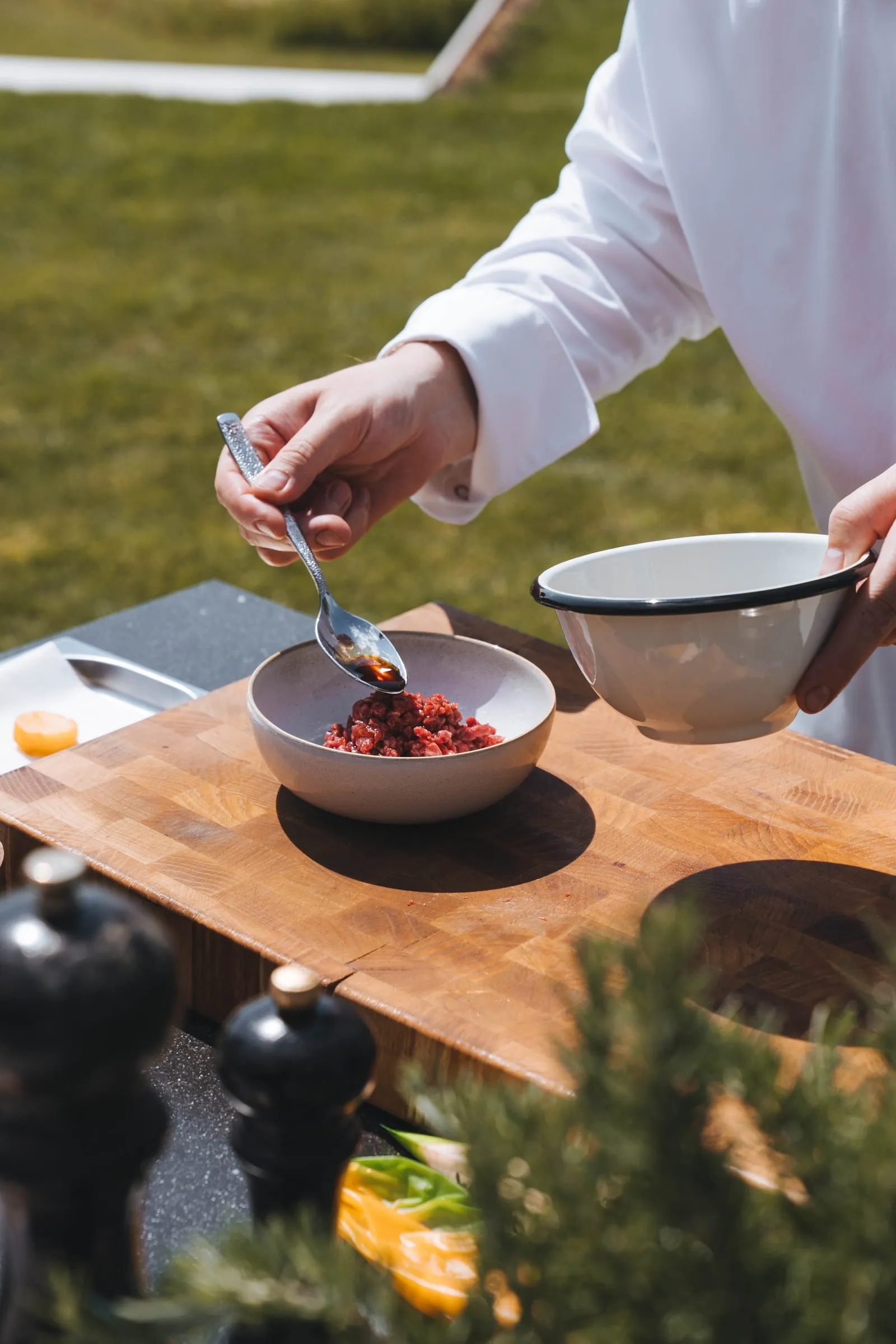
Tartare
Pure, served raw
Dishes by chefs who work with Tajiri
- 01
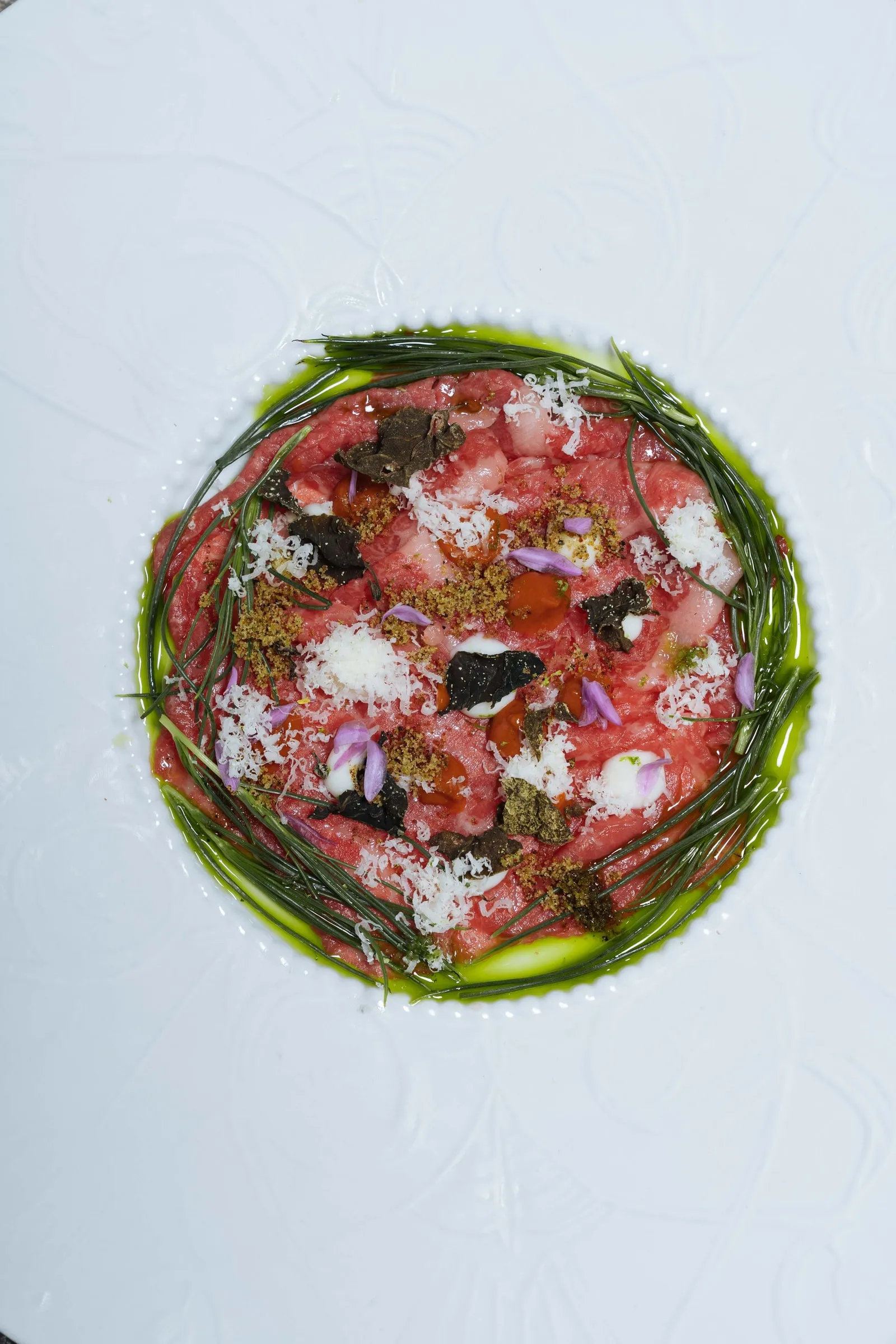
Carpaccio di Tajiri
Peppe Giacomazza · La Botte, Genk
- 02
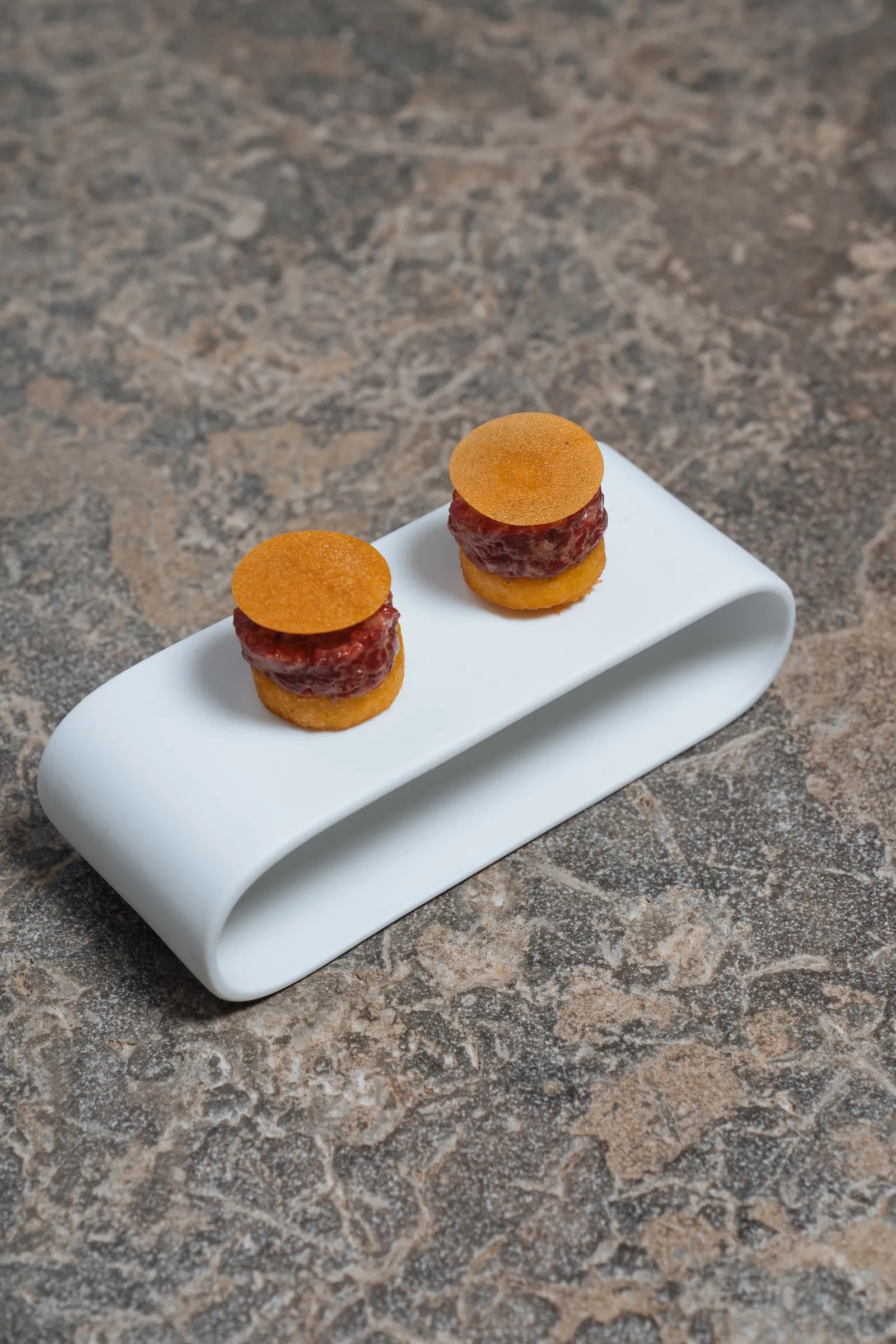
Tajiri tartare
Glenn Verhasselt · Sir Kwinten, Lennik
- 03
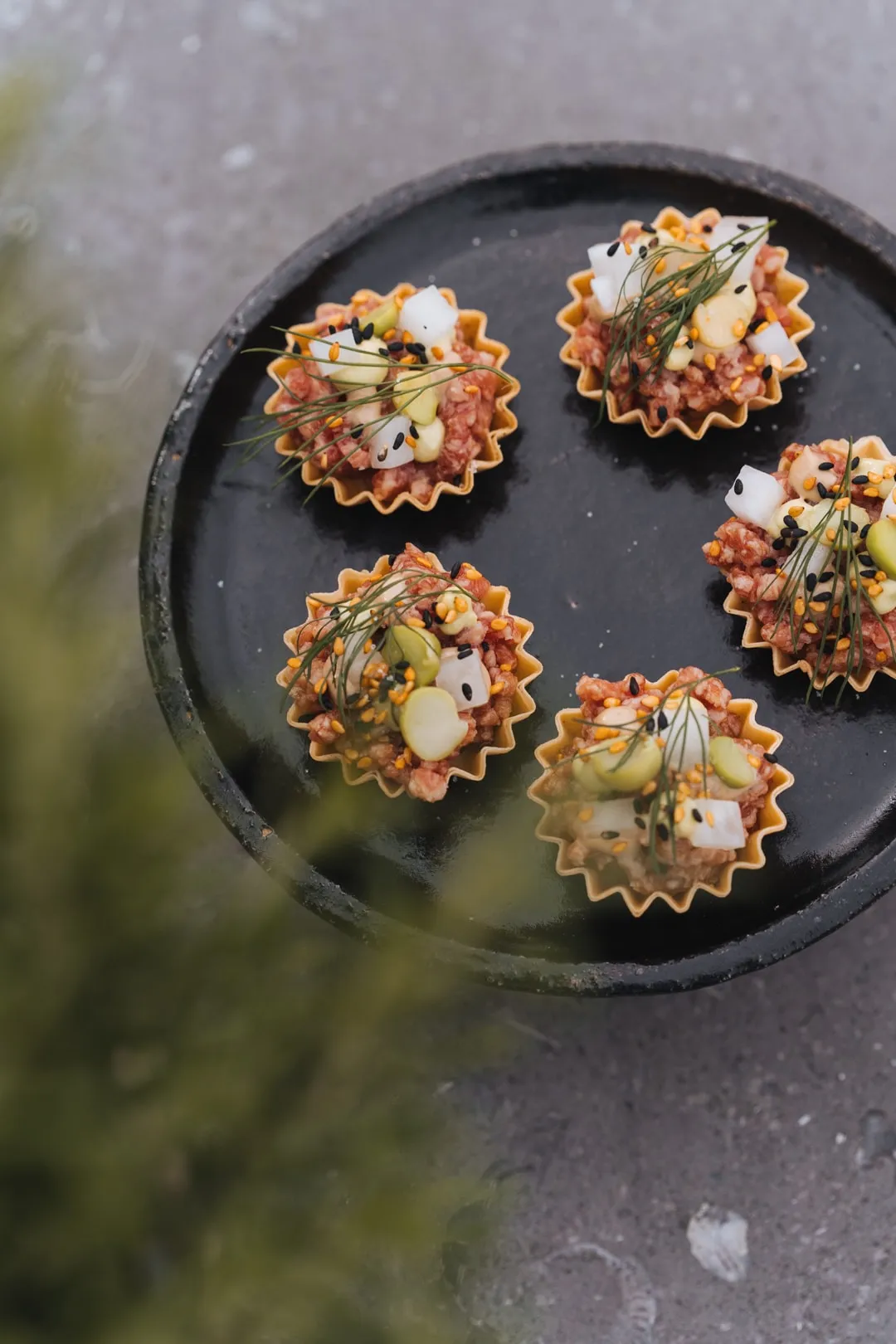
Tartlet with tartare
Bram Candries · Gillis, Gent
- 04
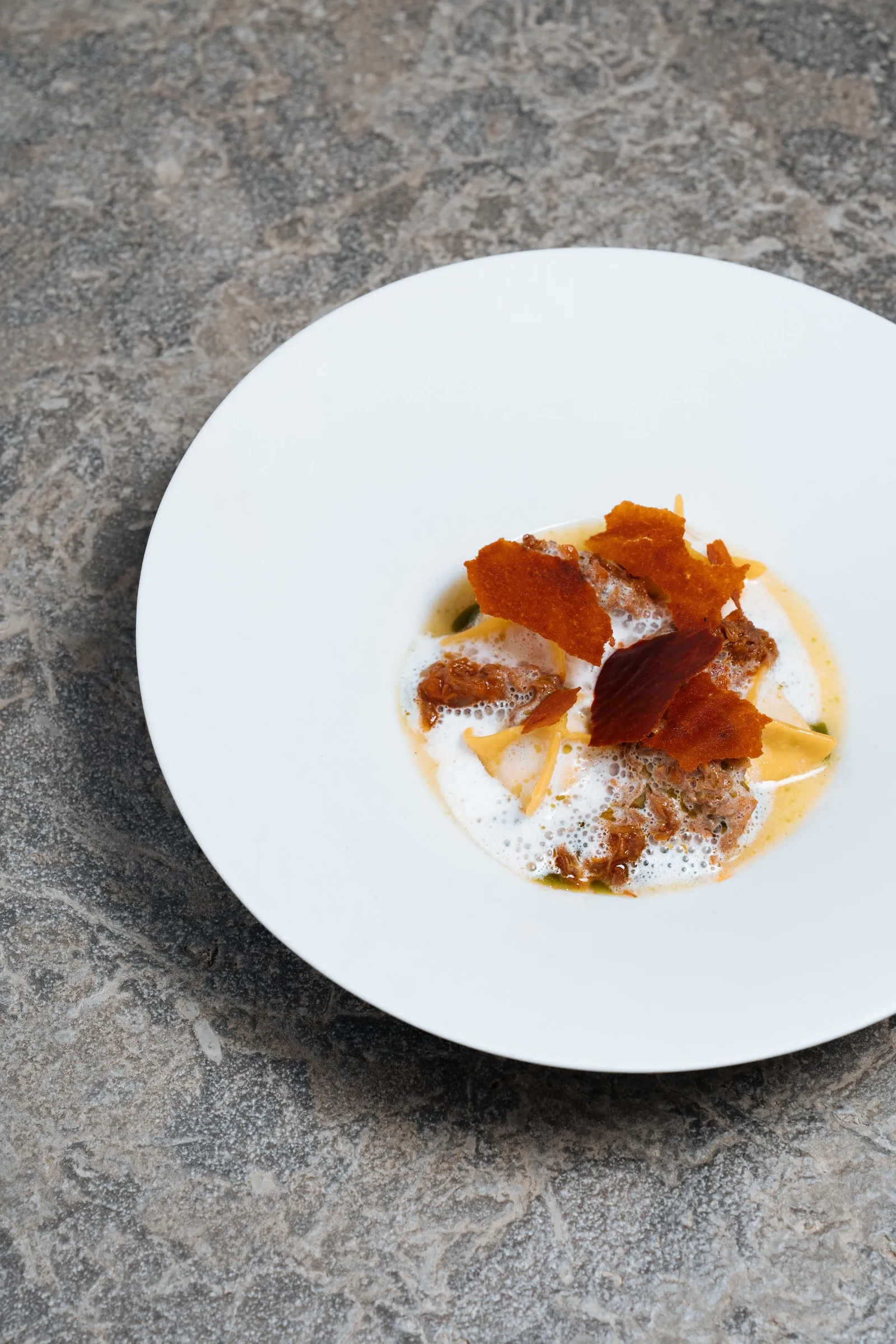
Ravioli with ragù
Peppe Giacomazza · La Botte, Genk
- 05
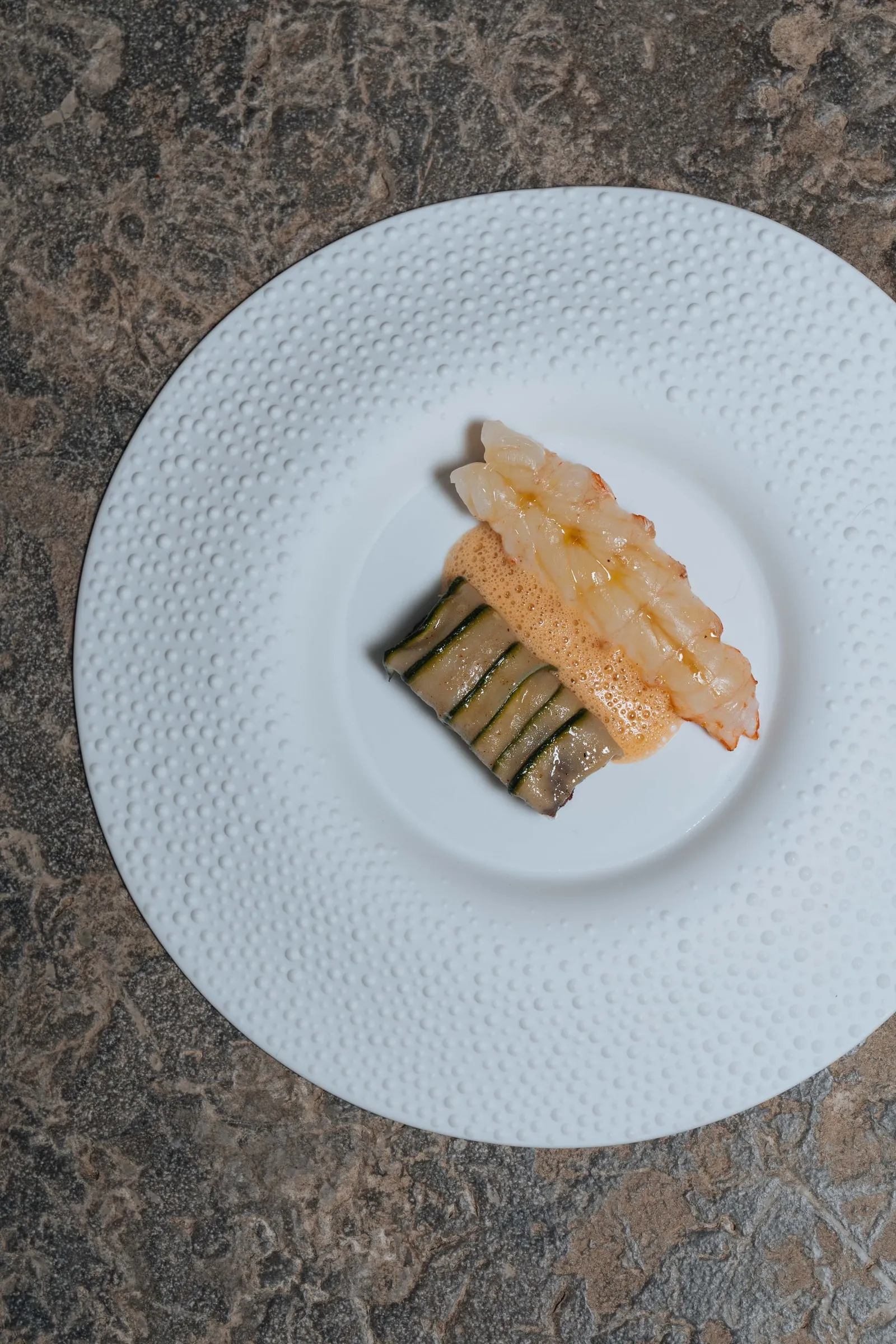
Neck with langoustine
Glenn Verhasselt · Sir Kwinten, Lennik
- 06
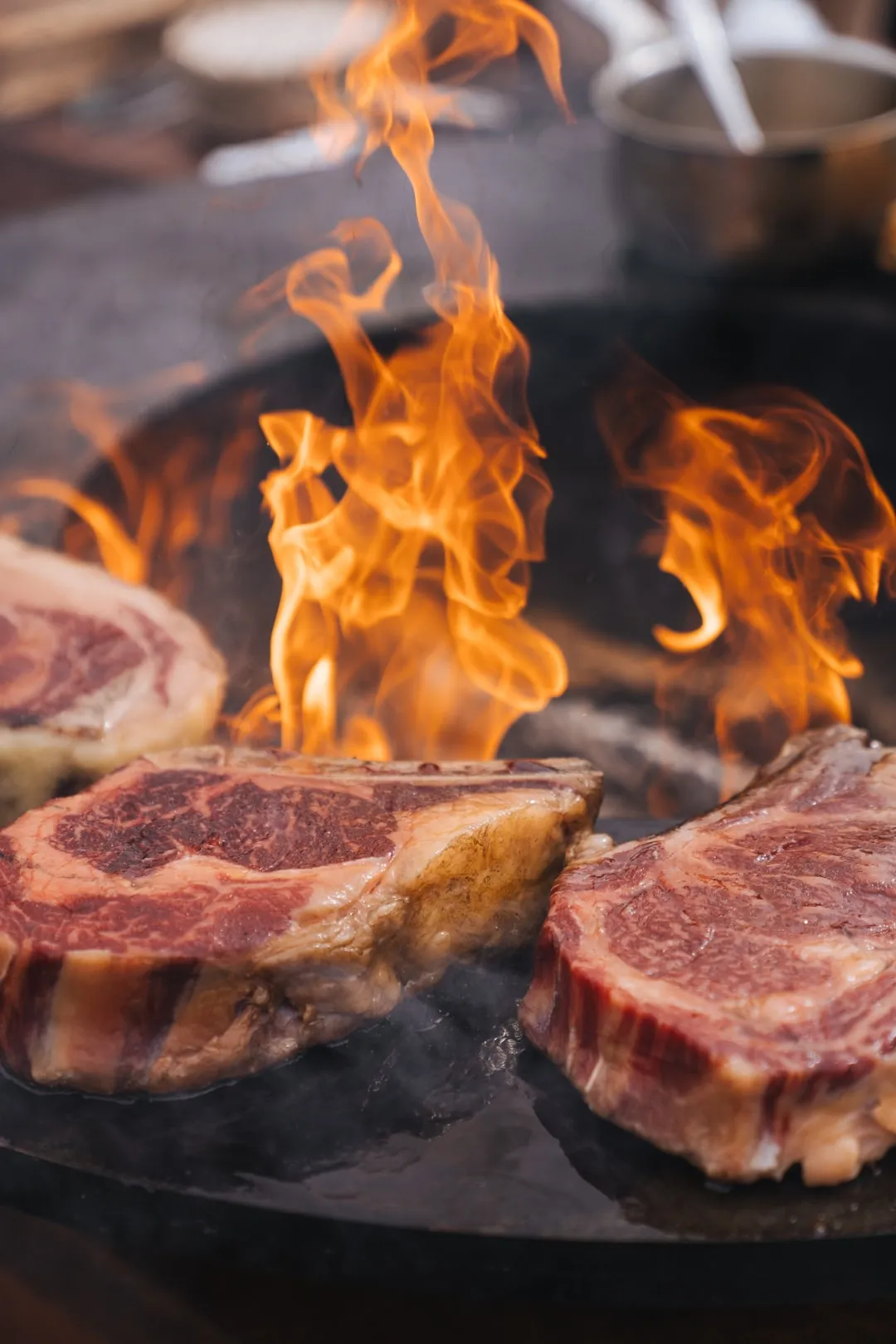
Côte à l’os over the fire
Bram Candries · Gillis, Gent
Storing and cooking
How do you store Tajiri?
Keep Tajiri in its vacuum pack in the fridge at 4 °C, or freeze it at −18 °C.
Should Wagyu come to room temperature before you cook it?
Yes. Let Tajiri come to room temperature before cooking: take the meat out of the fridge in good time.
Do you need butter or oil to cook Wagyu?
No. Thanks to its rich marbling, Wagyu cooks in its own fat: no extra fat is needed.
How do you slice Wagyu?
Slice across the grain, for the most tender bite.
Can you ask for a different cut?
Yes. If you are a chef or butcher, other cuts are available on request. Ask about them via the contact page.
Taste Tajiri
Find out where Tajiri is on the menu today, or where you can take it home.
At the restaurants that have Tajiri on their menu.