For chefs and butchers
Tajiri on your menu?
Ask about availability, cuts to order and delivery for your restaurant or shop.
Contact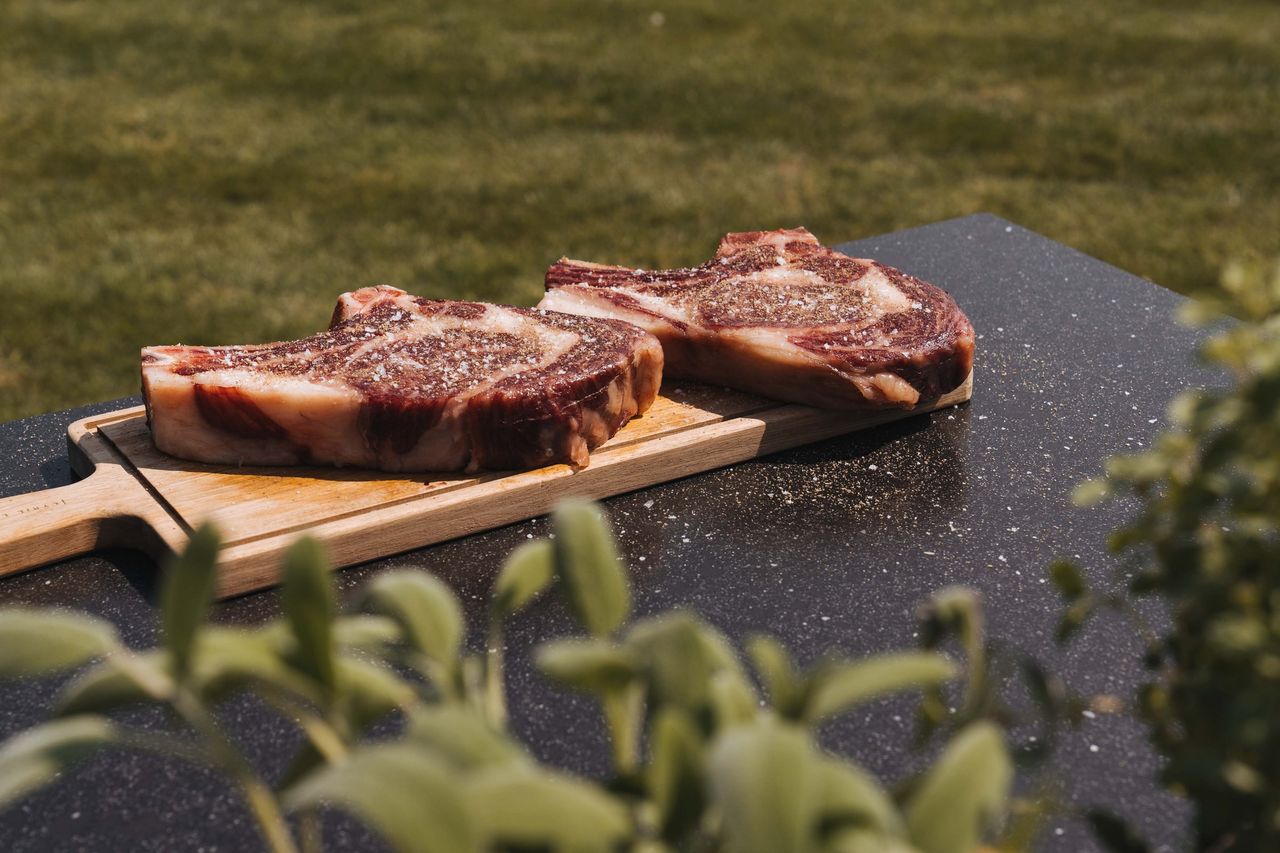
Belgium’s finest take on Wagyu
A Japanese bloodline, raised on Flemish pastures. For chefs, butchers and anyone looking for exceptional meat.
Tajiri is more than meat. It is the result of years of dedication.
From two worlds, the farmer’s and the chef’s, we share one conviction: if you choose meat, it should be exceptional.
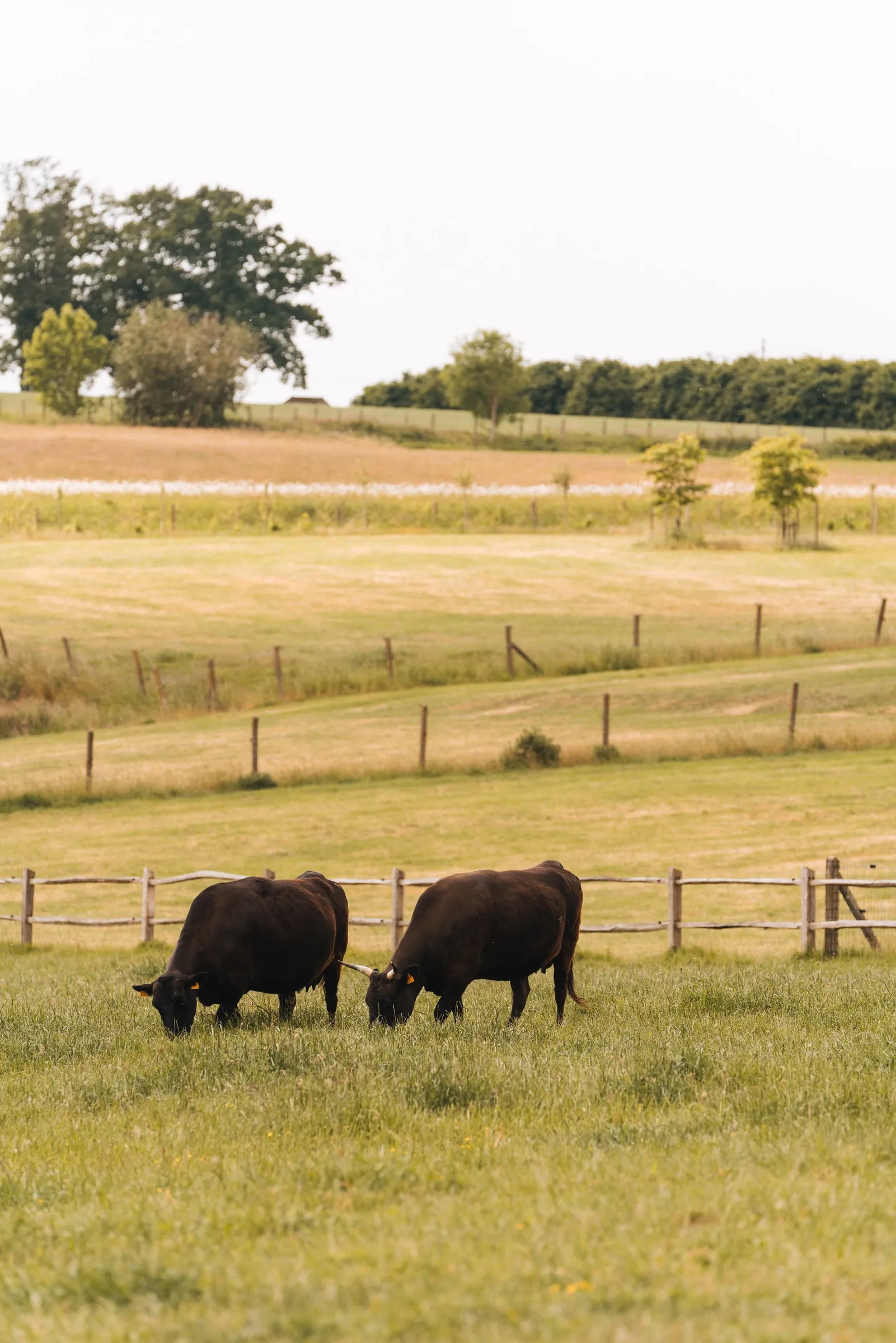
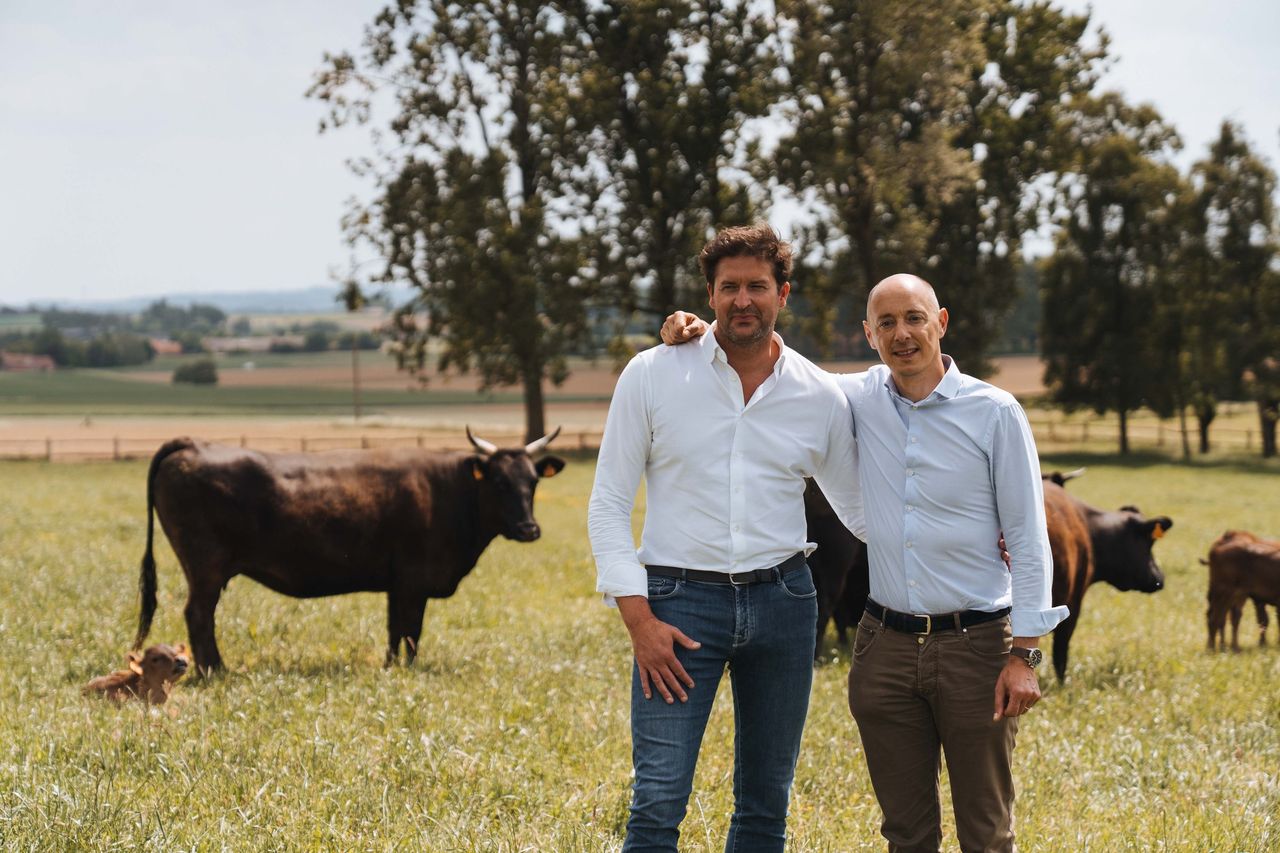
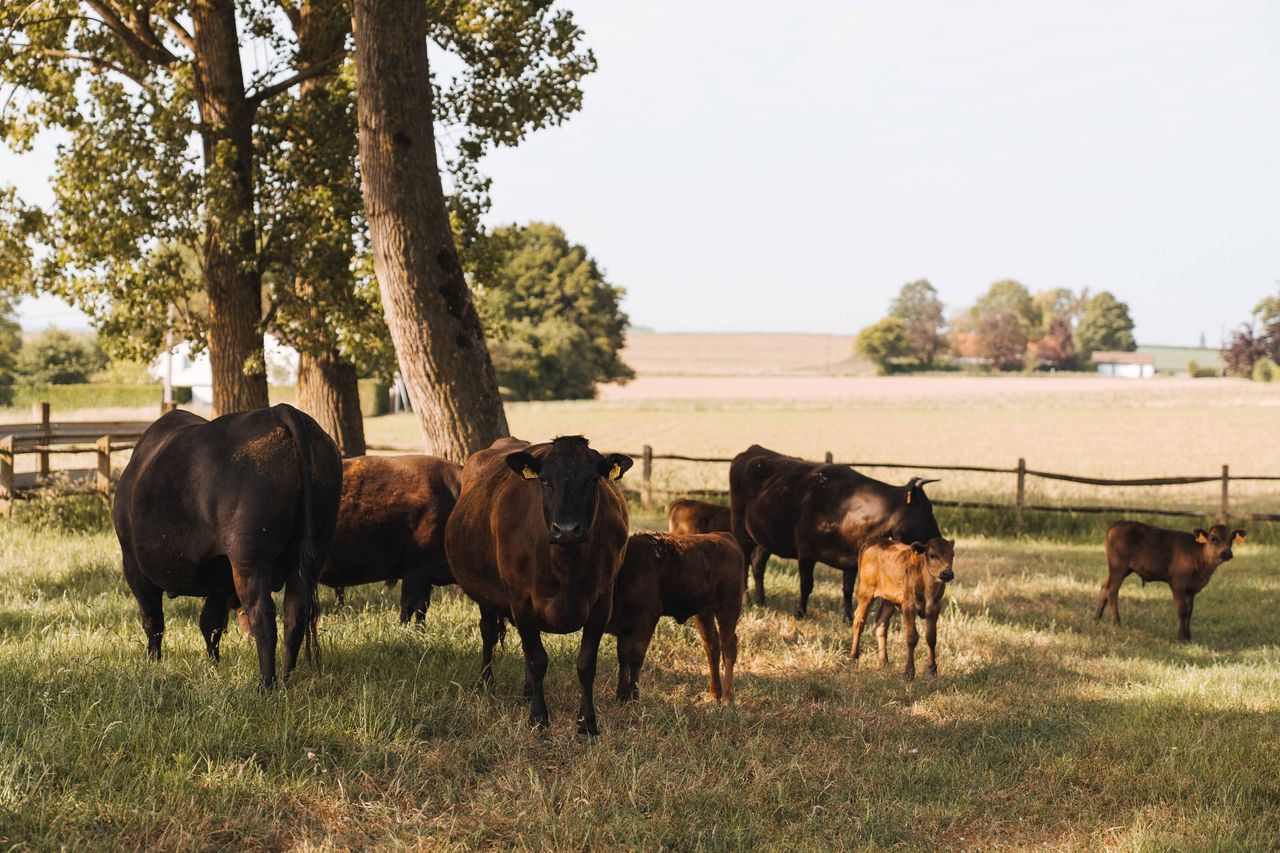
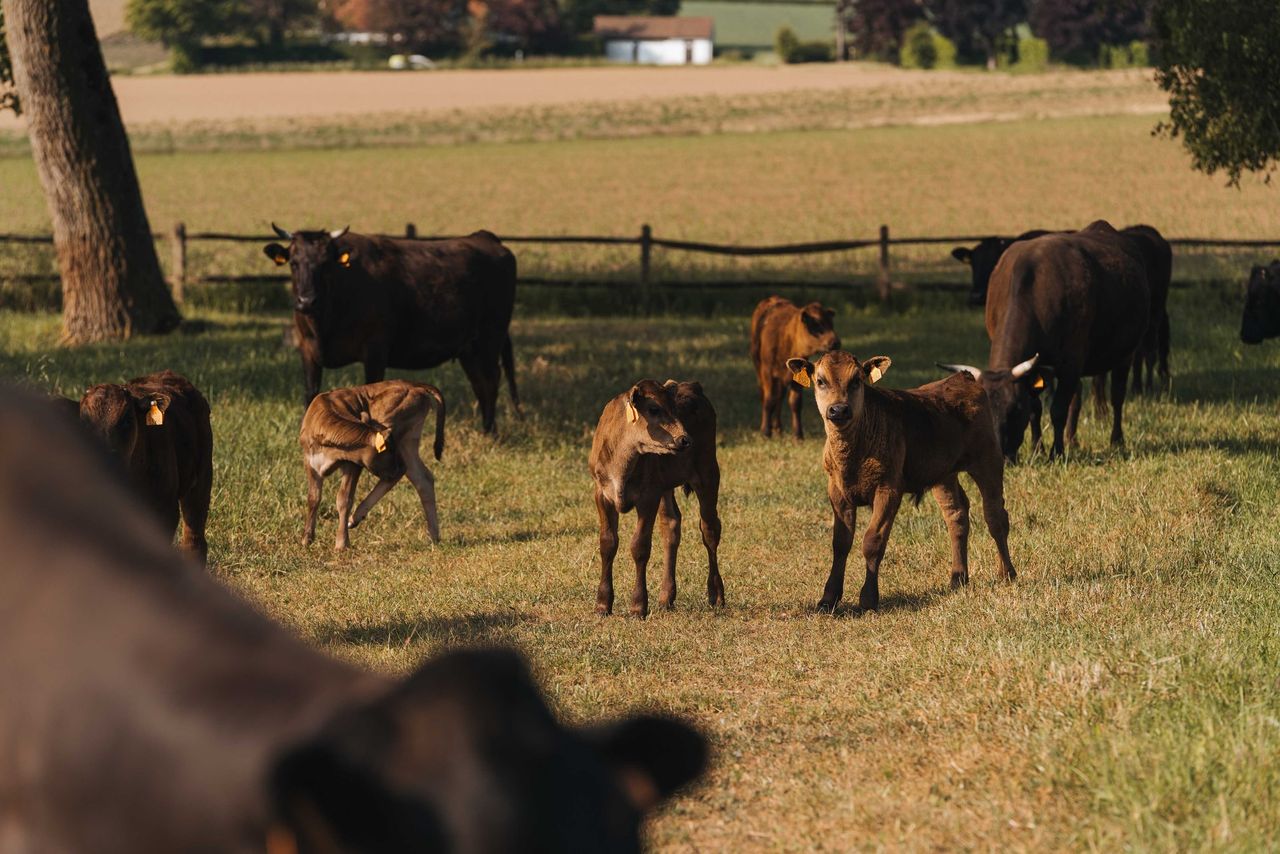
Arnaud watches over every animal with ritual care. No haste, no mass production: his cattle grow at their own pace, nourished by the strength of the Flemish terroir.
Olivier sees Tajiri not as an ingredient but as an inspiration. He looks for the balance between Japanese finesse and Belgian depth, a taste that lingers because it has roots.
With respect and taste, Arnaud & Olivier
The bull where it all begins. 99.9 per cent of Japanese Black cattle descend from him, and he gave our meat its name.
Four bulls go to the United States, the first Wagyu outside Japan. In 1997 Japan stops exporting live Wagyu. That rare genetic line later finds its way to Europe.
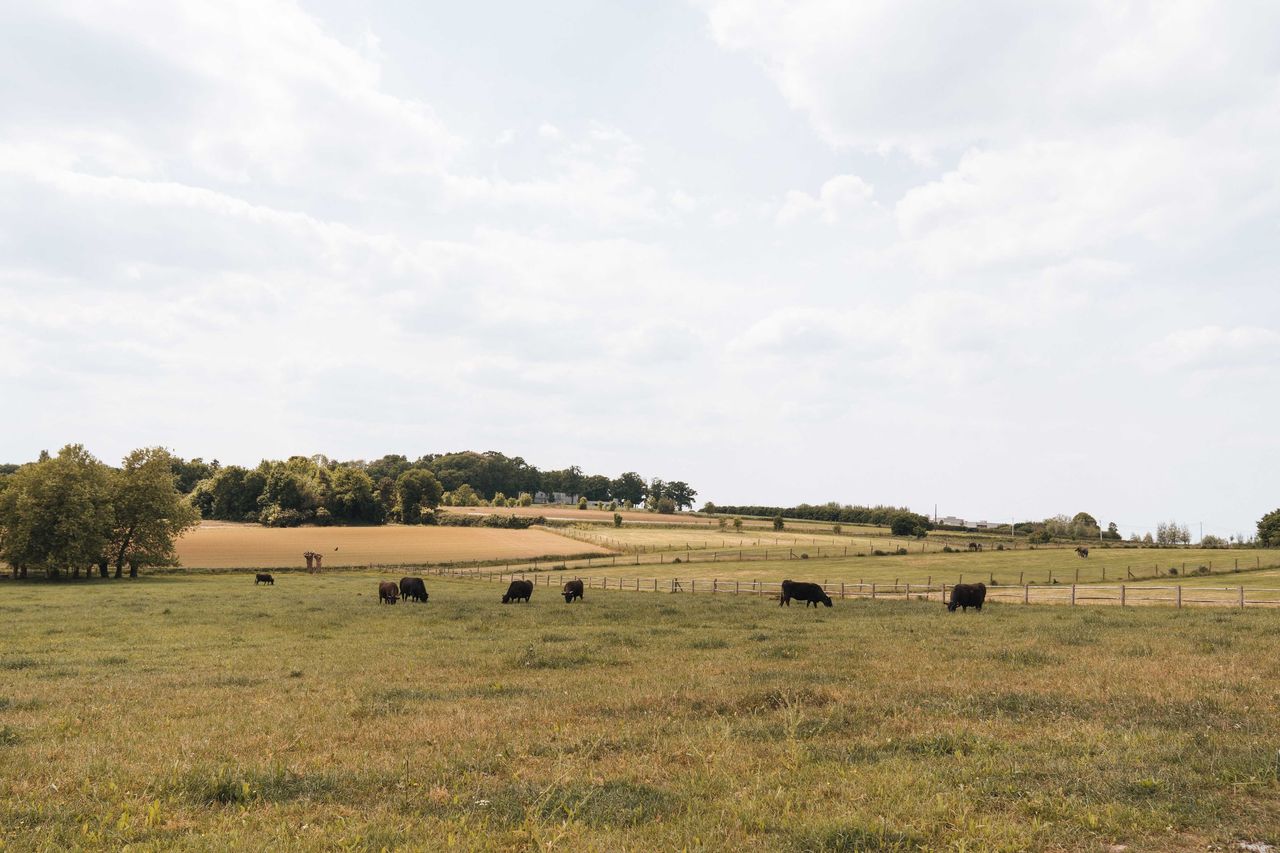
Arnaud and Olivier found Tajiri in Roeselare: Wagyu with a Japanese bloodline, on Flemish soil.
Two years on grass, then twelve months of finishing: every animal is given at least three years. You can taste that time.

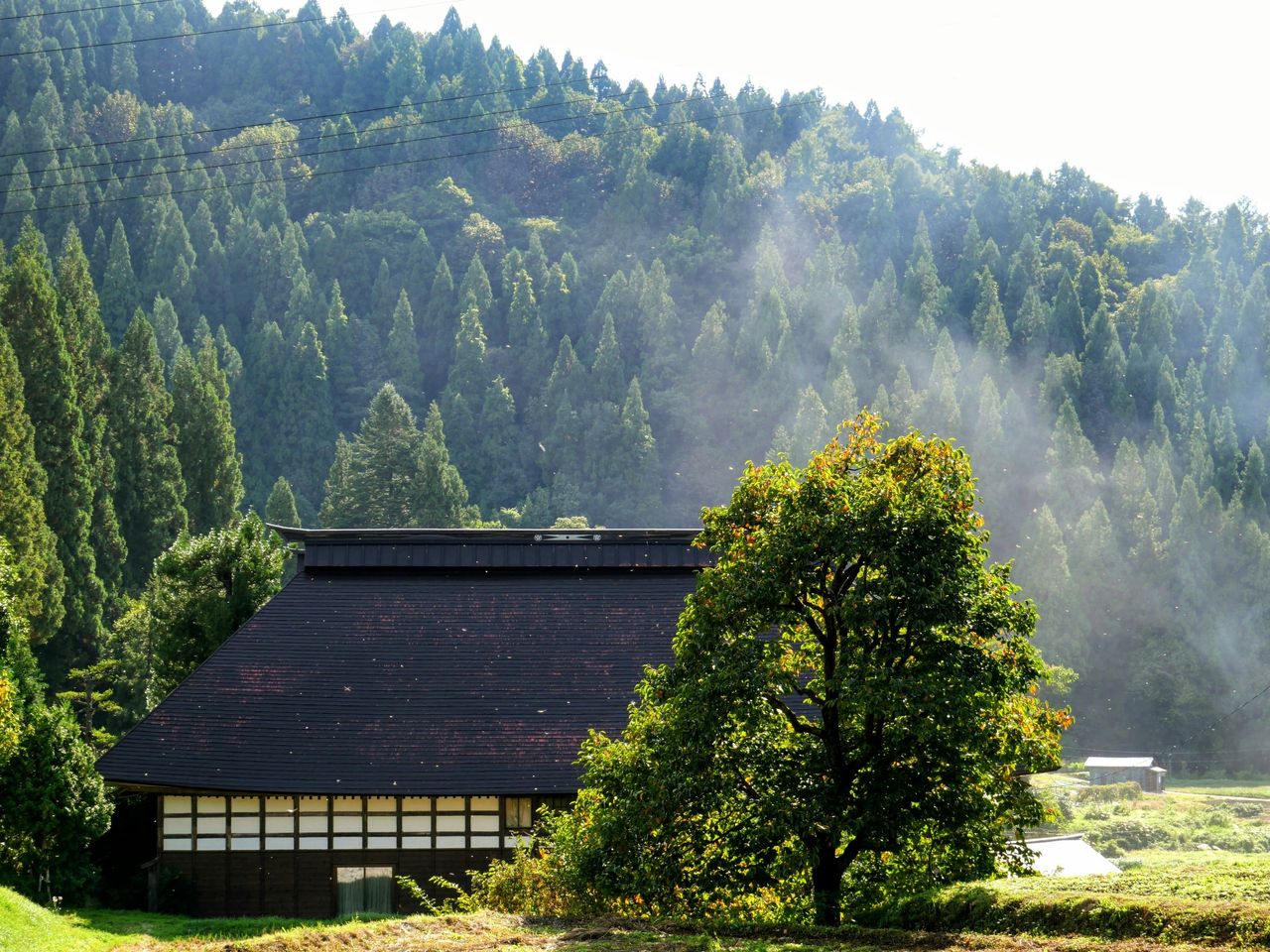
In 1939, in the Mikata district of Hyōgo prefecture in Japan, the bull Tajiri-go is born.
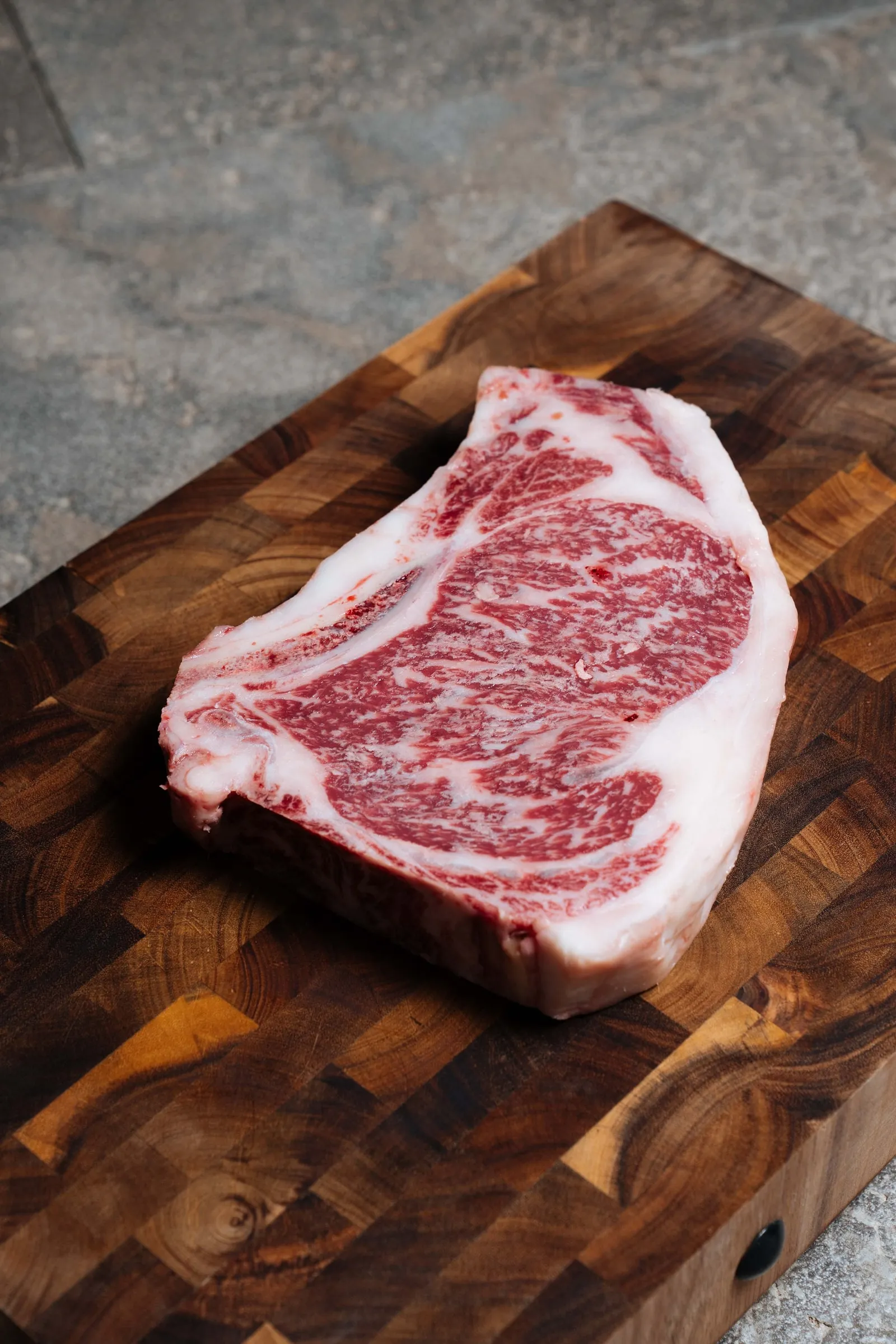
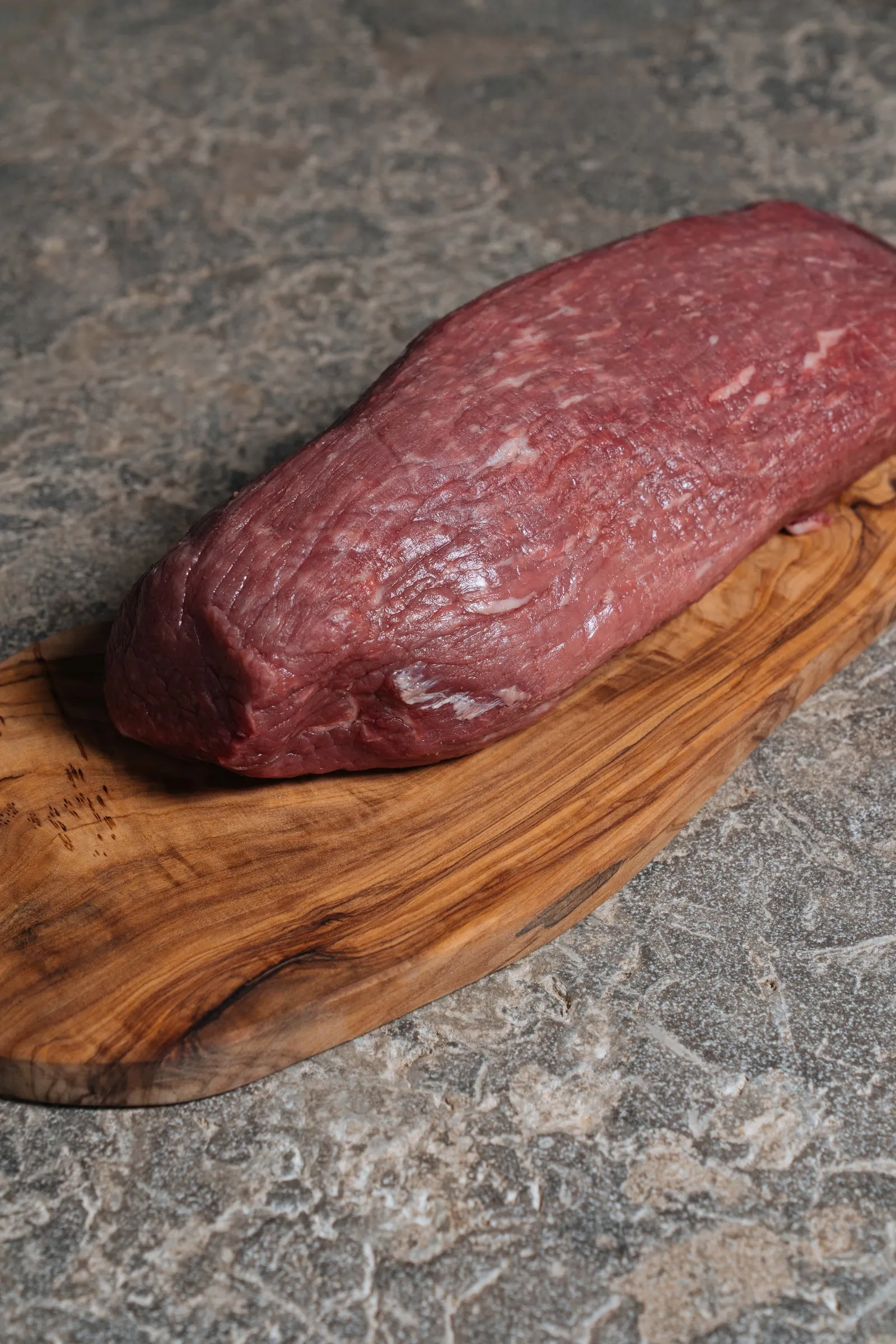
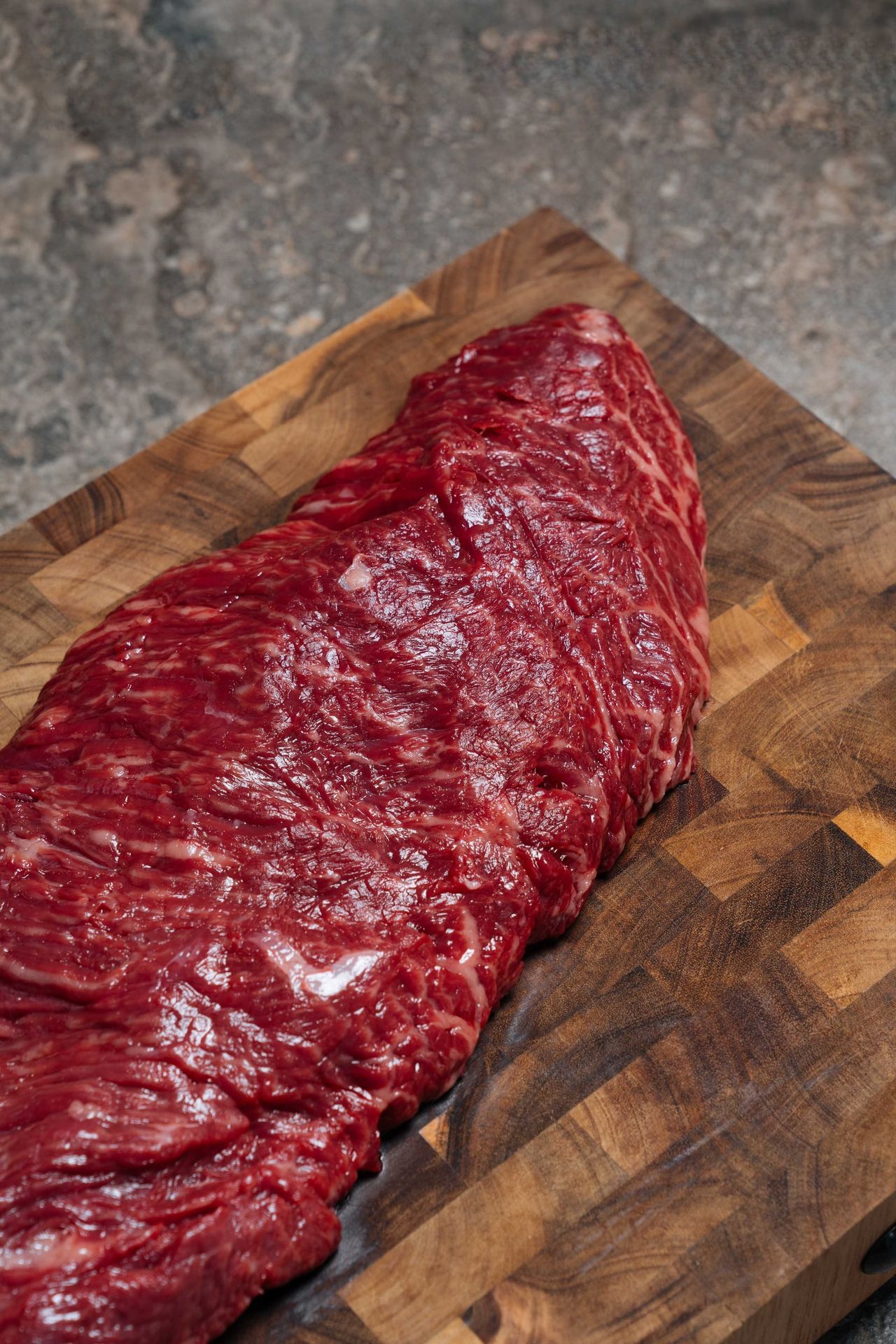
Tajiri is named after Tajiri-go, a bull of the farmer Tajiri Matsuzō. His bloodline became the foundation of Japanese Wagyu: according to Japanese research from 2012, 99.9 per cent of Japanese Black cows descend from him. The line is known for exceptional marbling, a silky texture and a rich flavour.
With Tajiri we bring that Japanese heritage to Belgian soil. The result is a Wagyu with character: more robust and full of flavour, with respect for Japanese finesse.
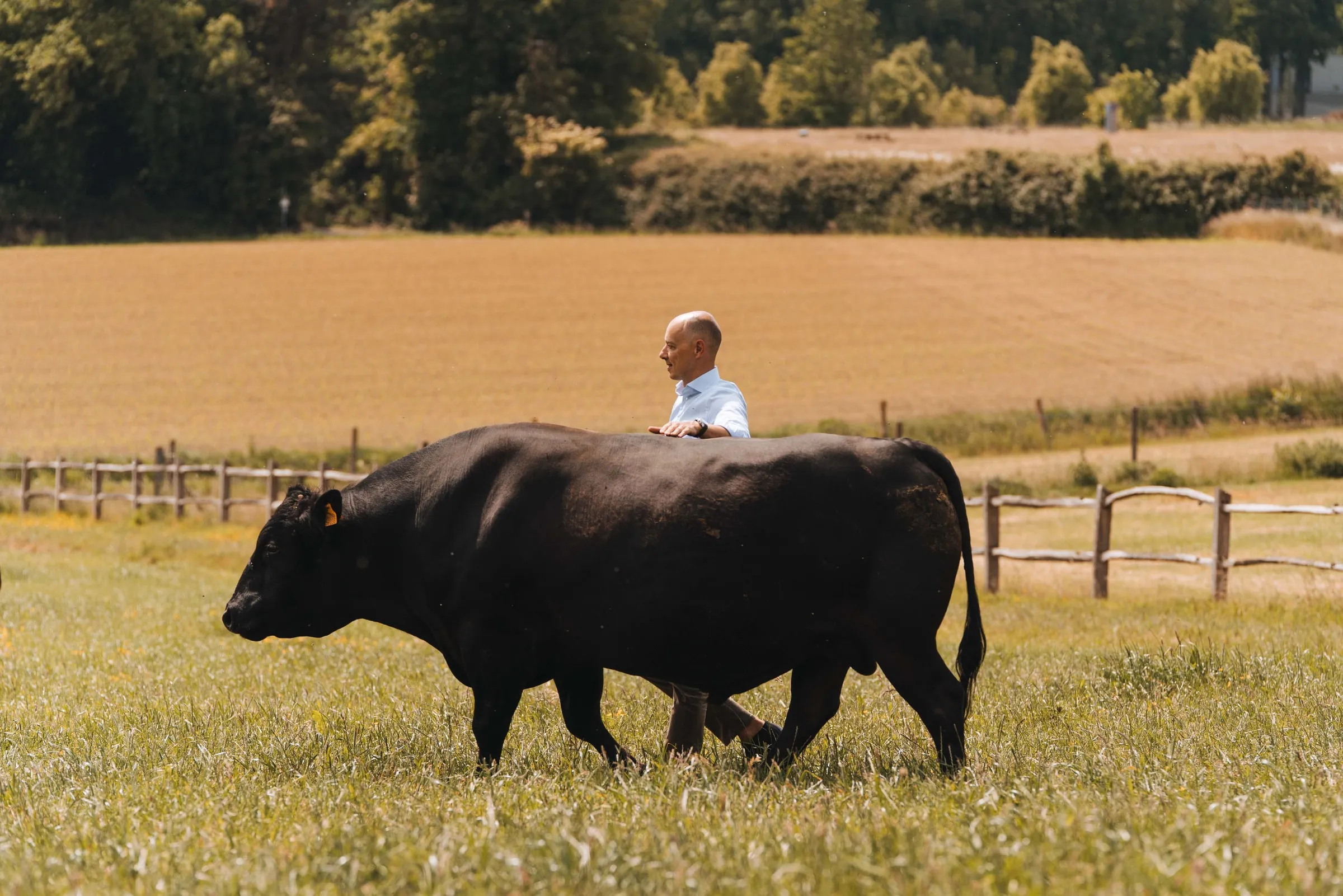
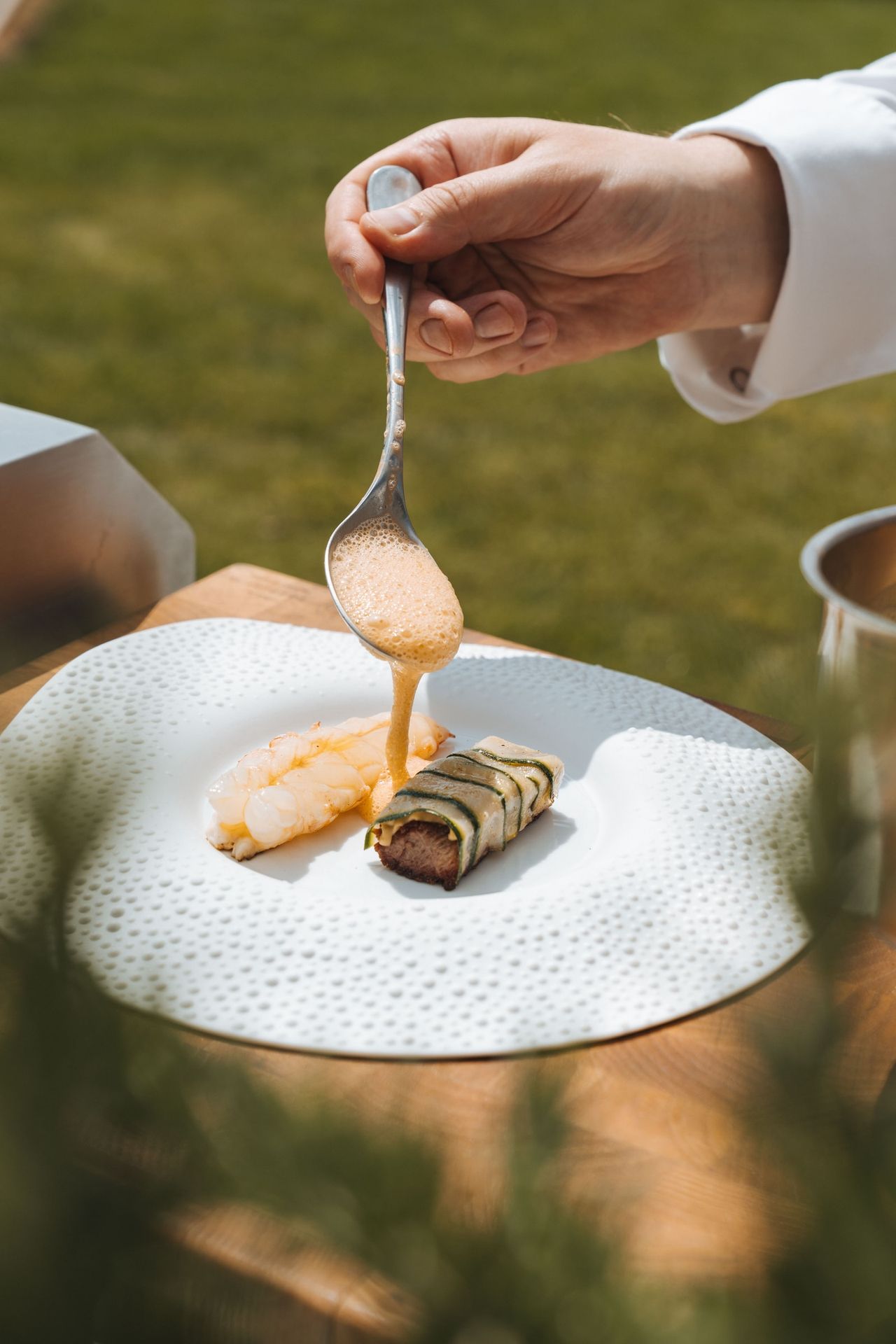
One day in the pasture, with the chefs at work and the whole animal on the table.
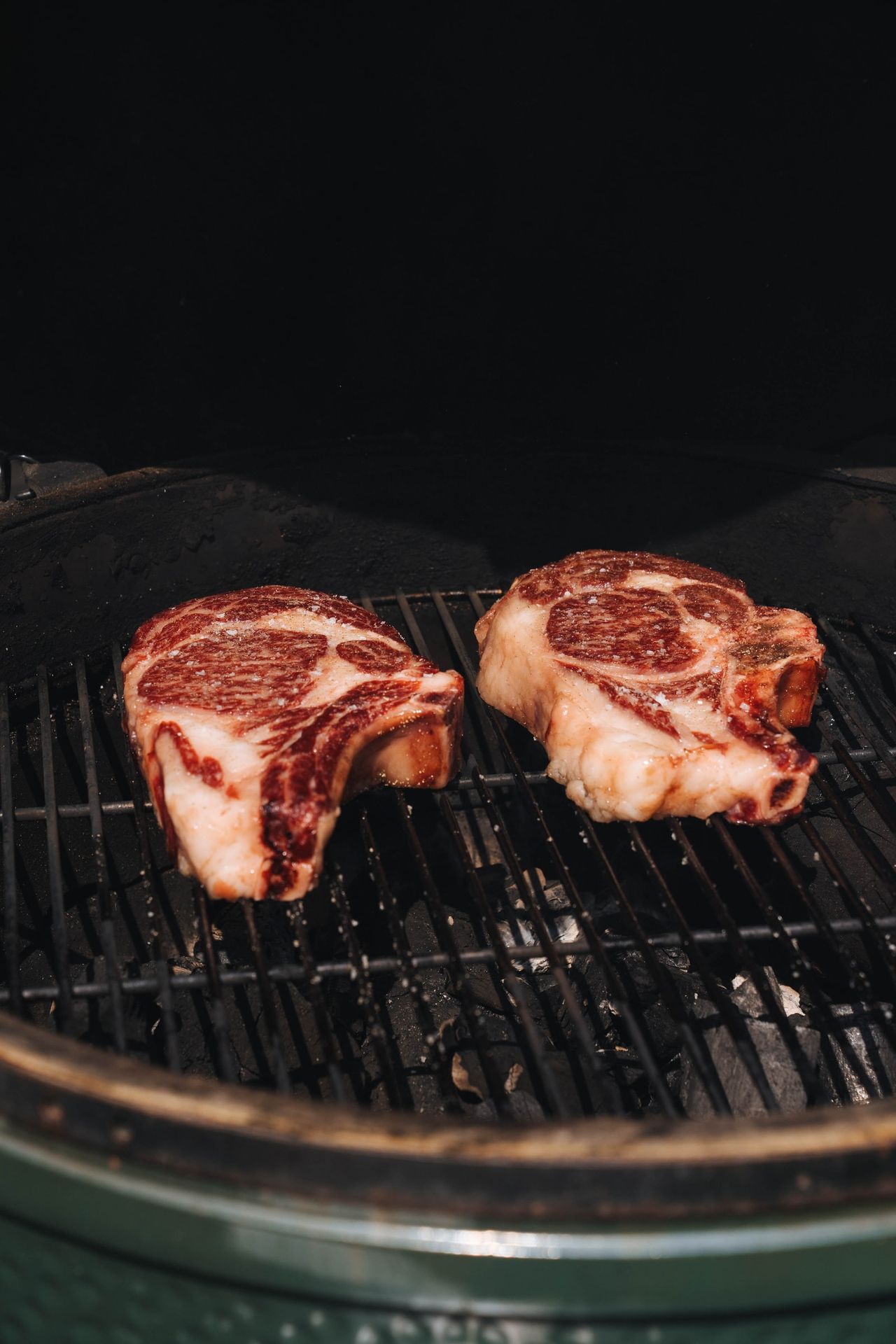
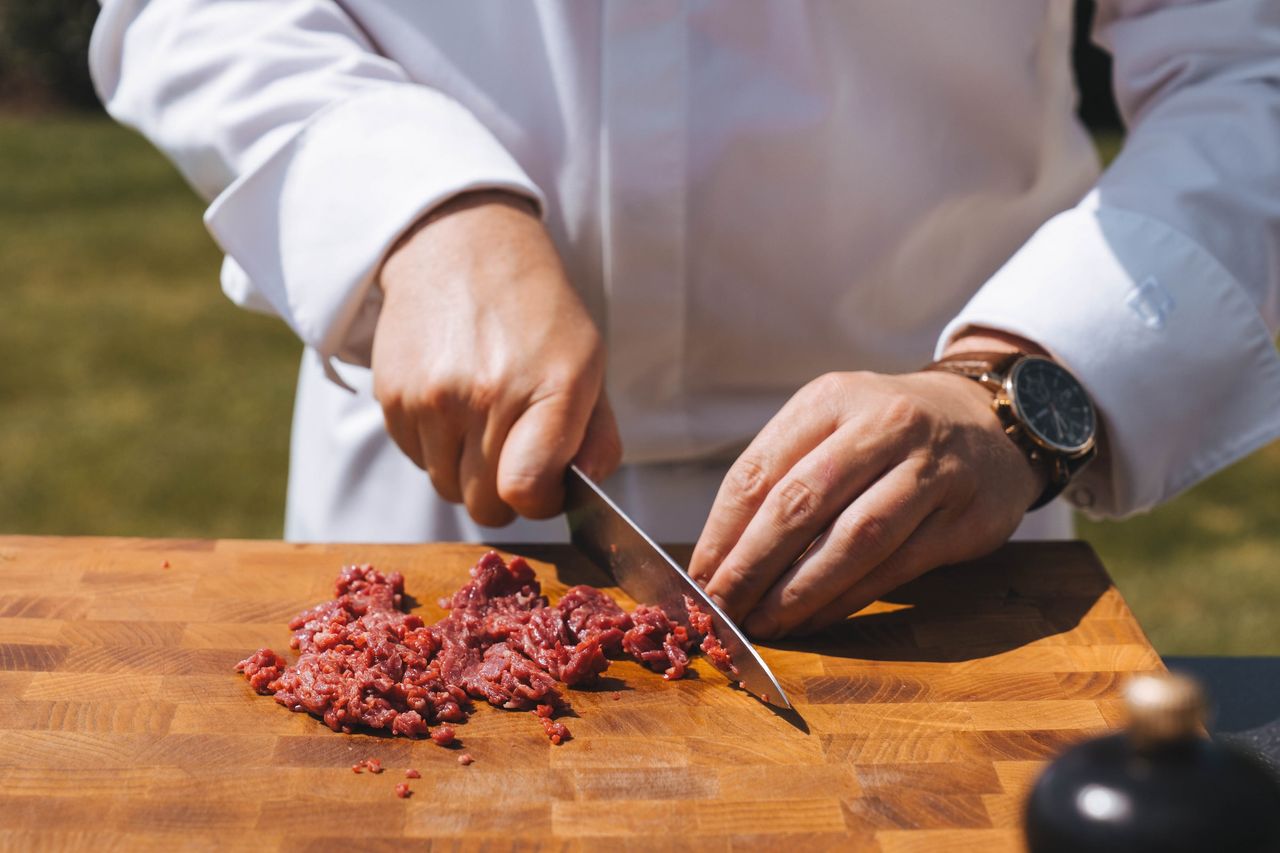
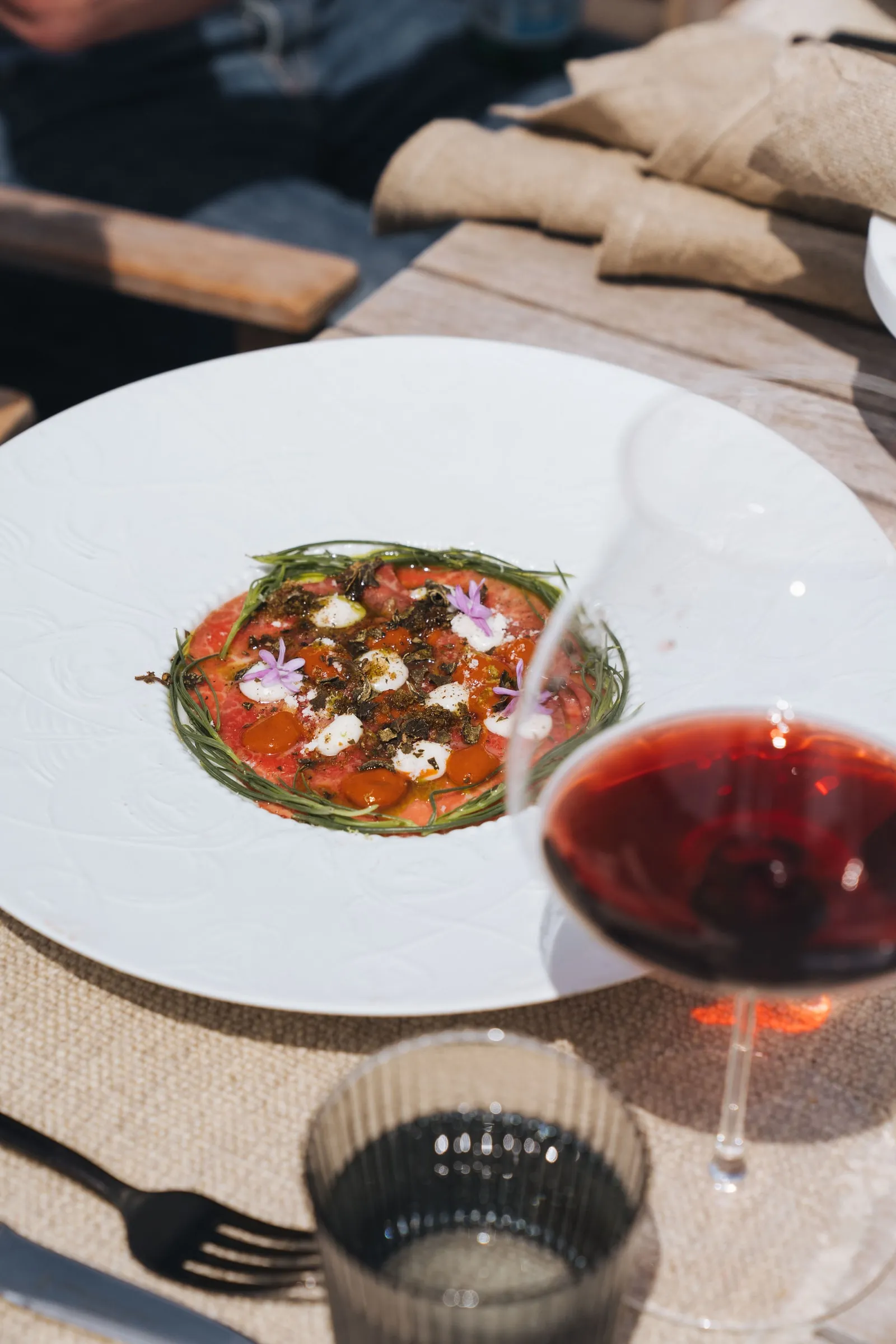
Carpaccio di Tajiri · La Botte, Genk
Neck with langoustine · Sir Kwinten, Lennik
“A product that does not impose itself, but lets itself be discovered.”
Peppe Giacomazza
Restaurant La Botte, Genk
“The meat carries its character quietly. It needs nothing to impress, except respect in the cooking.”
Glenn Verhasselt
Restaurant Sir Kwinten, Lennik
For chefs and butchers
Ask about availability, cuts to order and delivery for your restaurant or shop.
Contact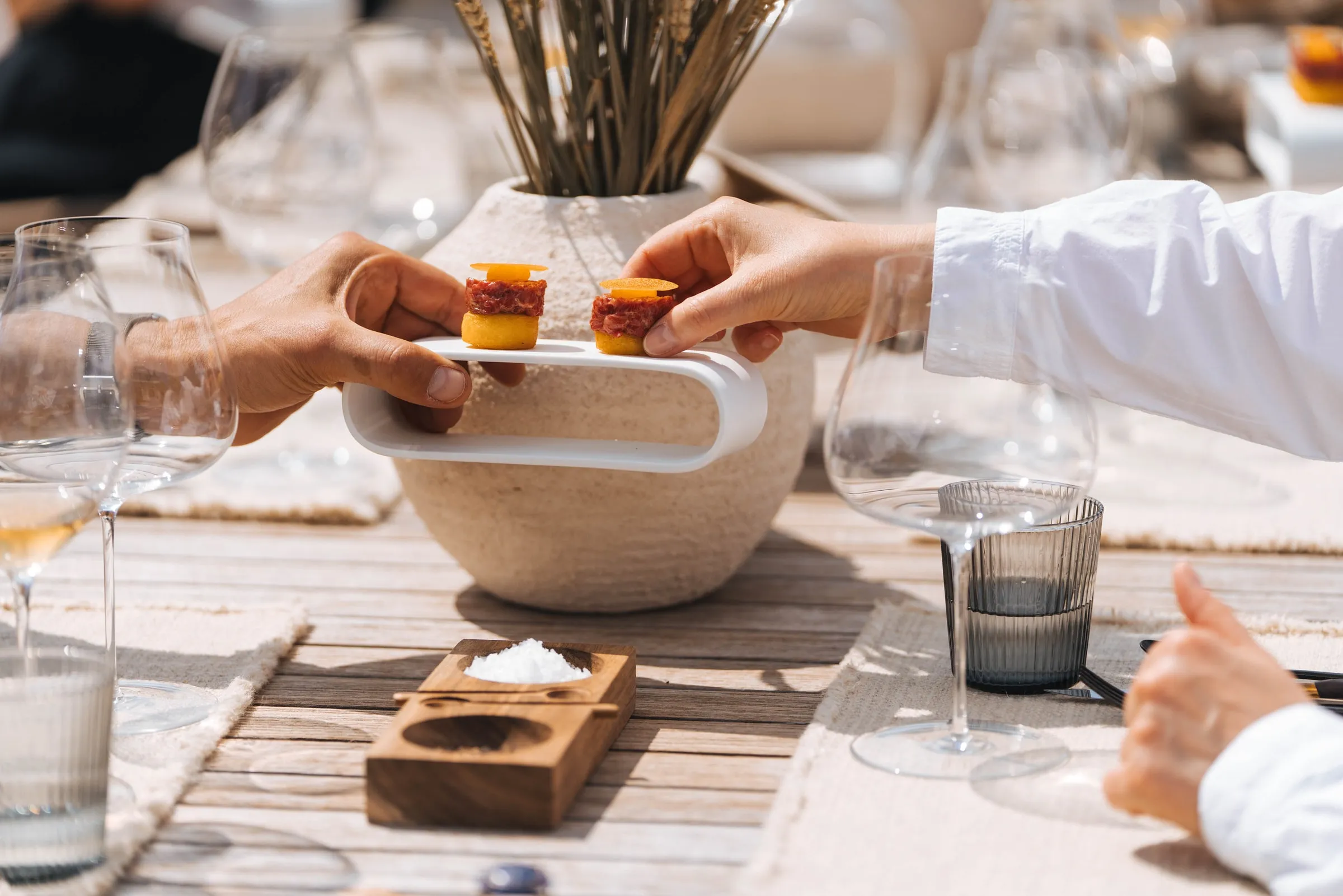
For food lovers
Find out which restaurants in Belgium have Tajiri on the menu.
View the map